THE PEOPLE’S CITIZENSHIP: WHEN ZAMBIA HAD A PRESIDENT’S CITIZENSHIP COLLEGE (THIS IS A DETAILED EDUCATIONAL ARTICLE)
EDUCATIONBy Zambian Observer — Zambian Observer
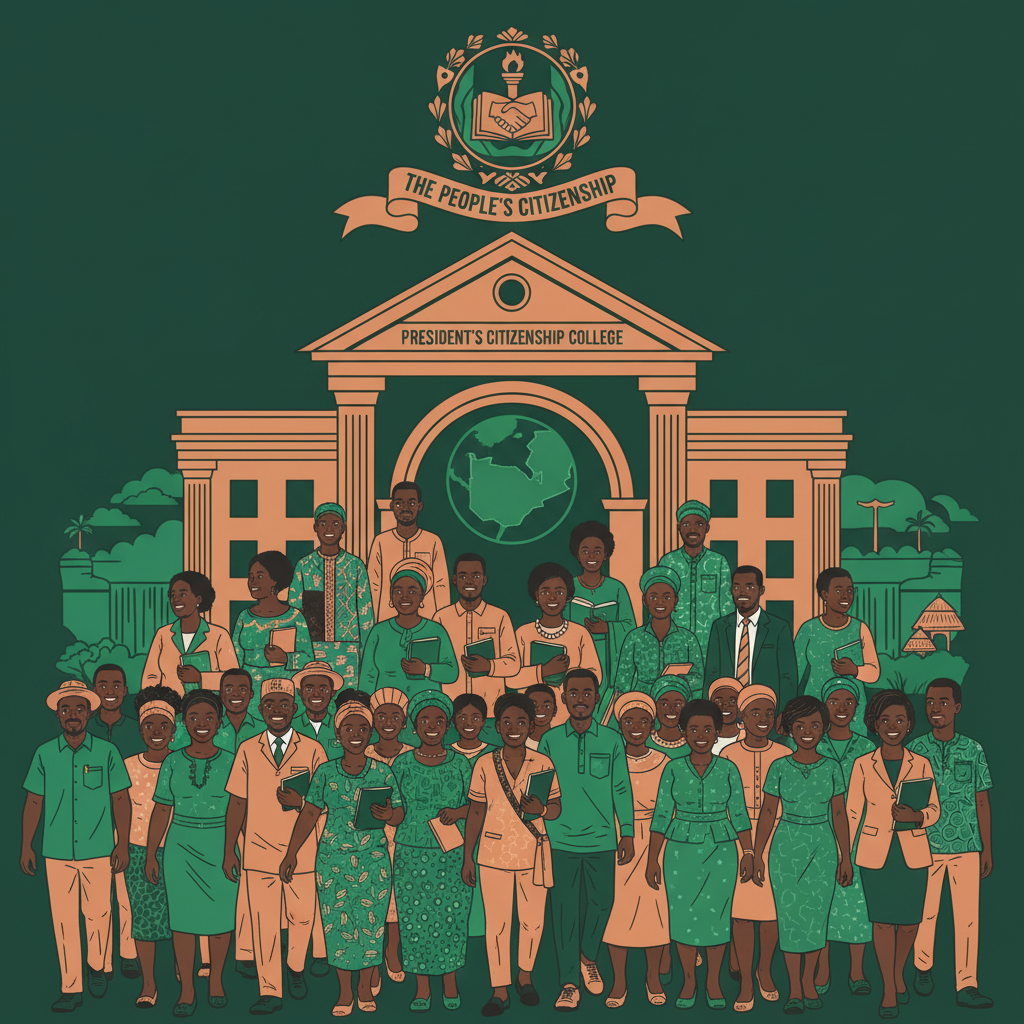
The journey of building a sovereign nation extends far beyond the lowering of colonial flags and the raising of national banners. When Zambia gained its independence on October 24, 1964, the newly formed republic faced a monumental challenge: transforming colonial subjects into conscious, active citizens equipped to drive national development. While a National Registration Card could legally confer identity overnight, cultivating a deep intellectual and civic understanding of statehood required deliberate, sustained educational intervention. This vision culminated in the establishment of the President's Citizenship College (PCC) in 1972 under Act No. 21 of Parliament. Located near the historic Mulungushi Rock of Authority—a site of immense political significance—the institution was designed to provide rigorous leadership training to civil servants, parastatal executives, and members of the labour movement. Far from being a basic naturalisation program, the PCC operated as a cornerstone of Zambia's early nation-building architecture. It sought to instill a unified national ethos, bridging the gap between state policy and grassroots implementation during a formative era shaped by the philosophy of Zambian Humanism and rapid post-independence restructuring. Throughout the decades, the institution adapted to the changing socio-economic landscapes of the country. In 1994, Parliament enacted the President's Citizenship College (Amendment) Act, transforming the institution into the National College for Management and Development Studies (NCMDS). This evolution broadened its academic scope to encompass modern disciplines such as business administration, human resource management, public management, and social work, catering to the growing administrative and technical needs of a liberalizing economy. As the demand for higher education and specialized tertiary institutions swelled across the country, the government took a decisive step to further elevate the campus. In 200