Mundubile petition should have been allowed for the sake of democracy
POLITICSBy News Diggers — News Diggers
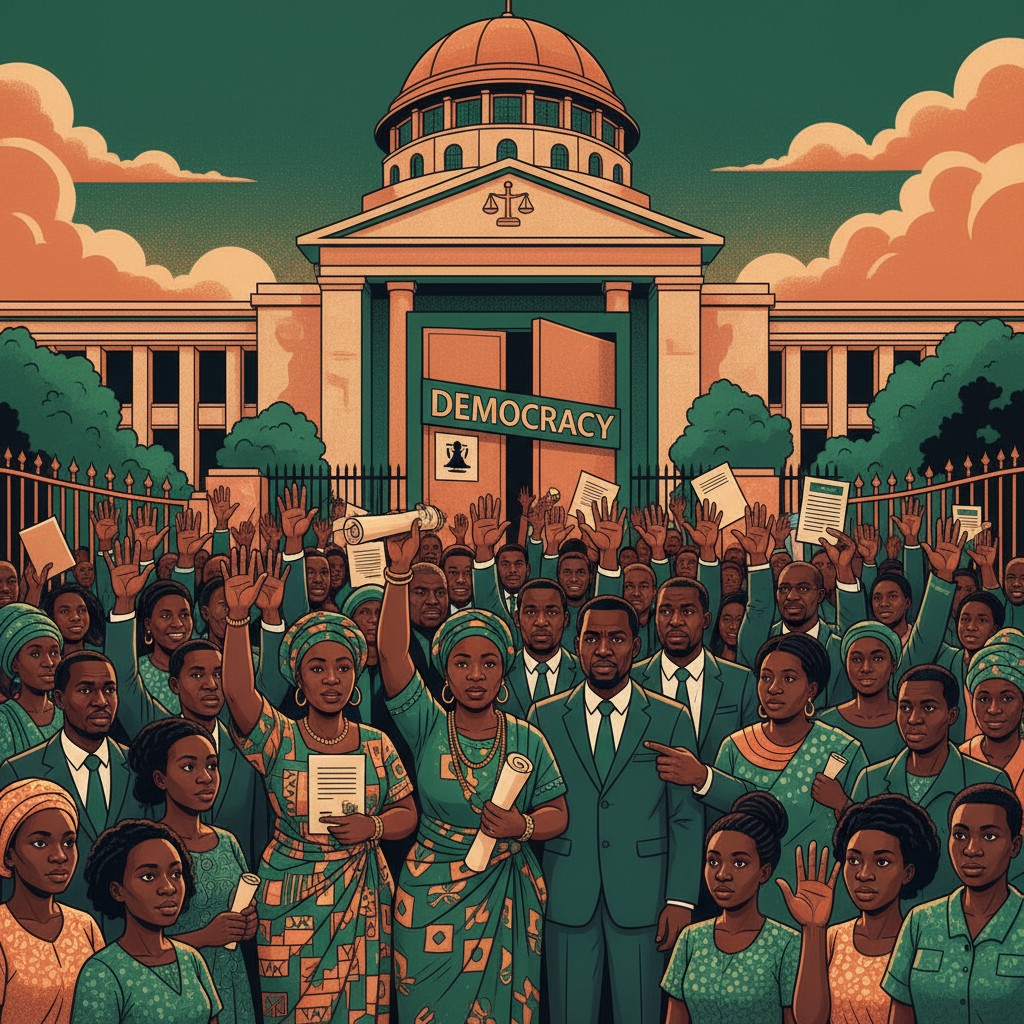
The recent political landscape in Zambia has been gripped by controversy following the dramatic events surrounding the expiration of the constitutional window to challenge the August 13 presidential election results. Independent commentary and civic actors have strongly asserted that opposition NRPUP presidential candidate Brian Mundubile ought to have been afforded unhindered access to the judicial system to file his election petition. The closure of courts nationwide and the heavy deployment of armed police officers on the final day of filing have cast a long shadow over the country's democratic credentials, raising profound questions about institutional independence and the rule of law. Following the Electoral Commission of Zambia's declaration that incumbent President Hakainde Hichilema secured victory with over 2.9 million votes against Mundubile's 1.8 million, tensions steadily escalated. While government spokespersons and ruling party officials maintained that Mundubile possessed every constitutional right to seek legal recourse, critics pointed out that the practical reality on the ground told a different story. Judicial premises were barricaded, and legal teams faced immense hurdles in approaching court registries, effectively closing the window for a formal challenge before the constitutional deadline lapsed. The unfolding crisis has sharply polarized public opinion across the nation. Civil society organizations and independent watchdogs argue that a robust democracy requires not just the theoretical existence of legal remedies, but tangible, unhindered access to justice for all political actors, win or lose. Conversely, defenders of the administration have argued that security concerns warranted strict measures, suggesting that petitions of this nature carry high security risks and that the massive vote margin rendered legal challenges practically insurmountable. Yet, legal purists counter that the strength of a petition is a matter for the courts to de