The unseen weight of bullying in zambian schools
EDUCATIONBy Racheal Nkhuwa — Lusaka Star
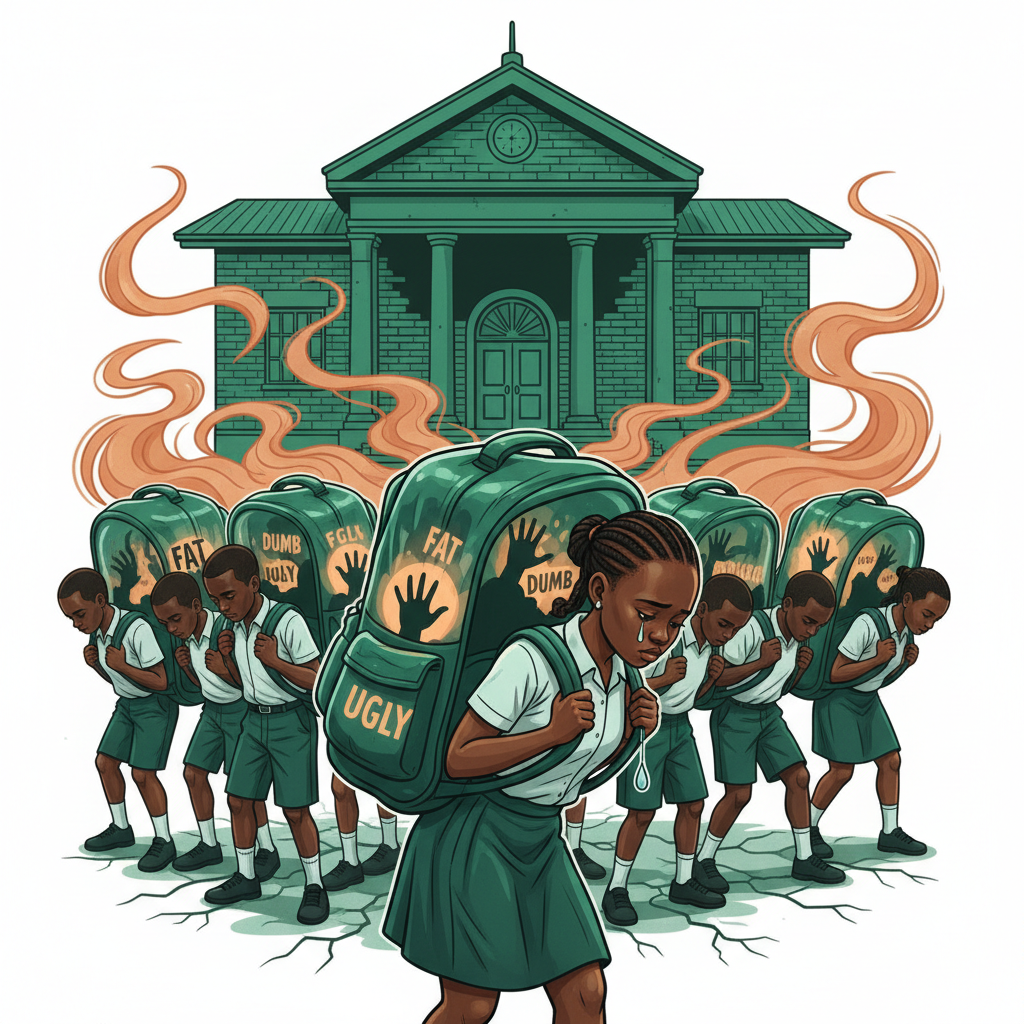
Long after physical wounds heal, the psychological impact of bullying remains a heavy, unseen weight that a child carries into every room they enter. When a young person experiences intimidation or assault in a space meant for learning, the emotional foundation of their world breaks down. Understanding the deep psychological toll of bullying reveals why its effects extend far beyond a single incident. Home and school are the two foundational pillars of a child's environment. When abuse occurs inside a dormitory or classroom, the brain's internal alarm system shifts into chronic hypervigilance. For several weeks now, there has been renewed attention to a high-profile bullying case that has deeply resonated with communities across Zambia. Citizens continue to voice widespread condemnation, noting that school bullying is not a trivial rite of passage but a damaging cycle that leaves lasting scars. According to psychosocial counselor and mental health educator Lubinda Namatama, recent viral videos exposing student intimidation should serve as a wake-up call for strict punitive and remedial measures in educational institutions. "Such behaviors should not be tolerated in schools, as they have a diverse impact on mental health," Namatama noted, stressing that schools must function as safe havens for personal development rather than arenas of fear. Experts point out that victims frequently suffer from anxiety, plummeting academic performance, and social withdrawal, while perpetrators often replicate cycles of abuse learned elsewhere. Consequently, educators and counselors face mounting pressure to look beyond immediate disciplinary suspensions and address the root causes of aggressive behavior through comprehensive rehabilitation. Civil society groups, including Boy Child Advocacy Zambia (BCAZ), have echoed these sentiments, arguing that administrative responses must balance accountability with constructive guidance. BCAZ Director Taurai Kazayo emphasized that safeguardi