Hichilema’s Second Term Could Reshape Zambia–Malawi Economic Ties
BUSINESSBy Ulla Setswalo — Zambian Agribusiness
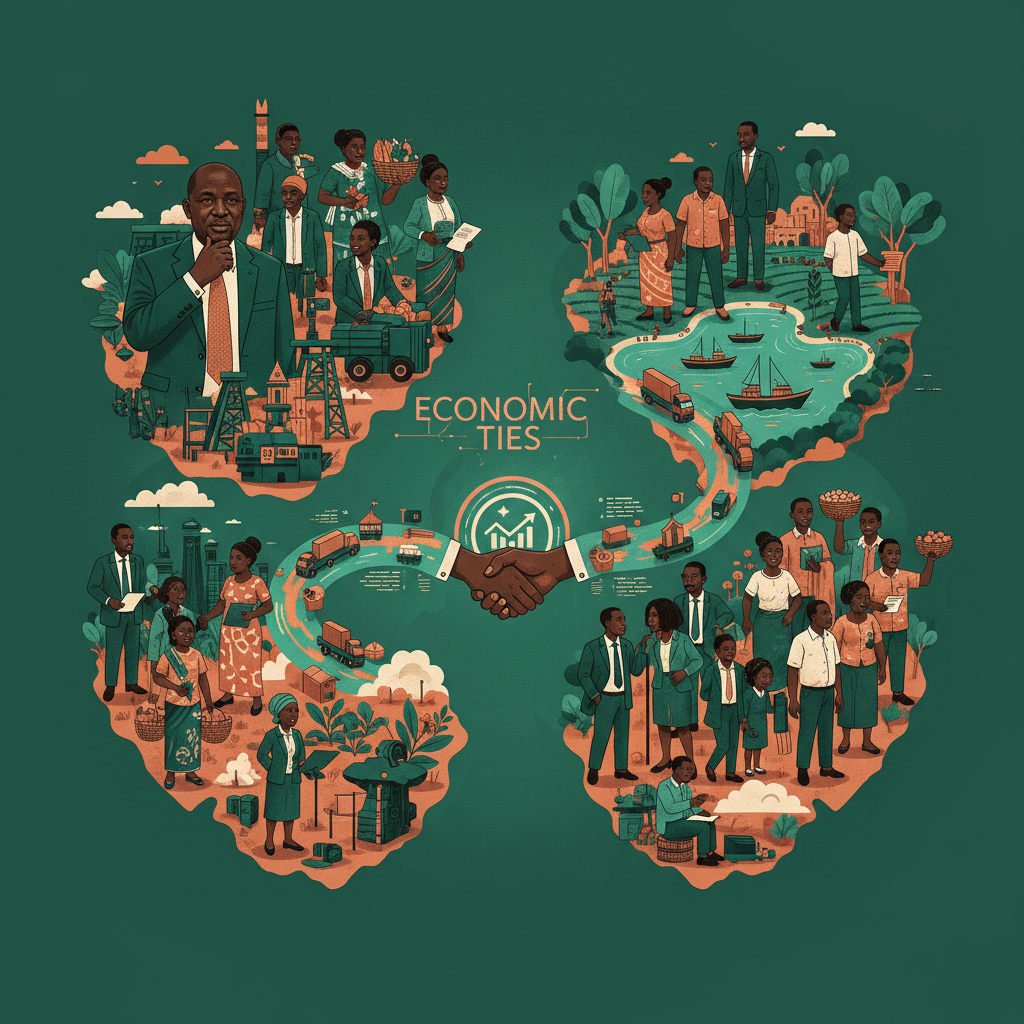
The resounding re-election of President Hakainde Hichilema to a second five-year term has introduced a renewed sense of political stability in Lusaka, with significant positive spillover potential for bilateral relations with neighboring Malawi. Following the Electoral Commission of Zambia's formal declaration confirming Hichilema's victory, regional analysts and trade corridors have turned their attention toward what political continuity means for cross-border commerce, infrastructure development, and joint economic diplomacy across the Southern African Development Community (SADC) region. For Malawi, which shares deep historical, cultural, and logistical bonds with Zambia, Lusaka's steady political trajectory offers a predictable and reliable framework for deepened cooperation. Trade remains the most immediate catalyst for growth between the two nations. President Hichilema has consistently positioned economic diplomacy and regional market integration at the core of Zambia's foreign policy, advocating for open borders and fluid supply chains that empower micro, small, and medium enterprises. Malawian traders, who heavily rely on western transport corridors and Zambian markets, stand to gain significantly from these outward-looking economic policies. A cornerstone of this cooperative momentum is the continued optimization of existing bilateral infrastructure, notably the Mchinji-Mwami One Stop Border Post. Authorities in both countries have long hailed the facility for curtailing clearance times, mitigating bureaucratic red tape, and streamlining transit for both cargo and passengers. Rather than initiating costly new capital projects from scratch, the second Hichilema administration is expected to focus on maximizing the operational efficiency of current infrastructure, reducing non-tariff barriers, and improving digital customs integration between Lusaka and Lilongwe. Beyond traditional merchandise trade, the bilateral agenda is expanding to incorporate critic