Zambia elections: Courts sealed as election petition deadline looms
POLITICSBy Dingindaba Buyoya — BBC News
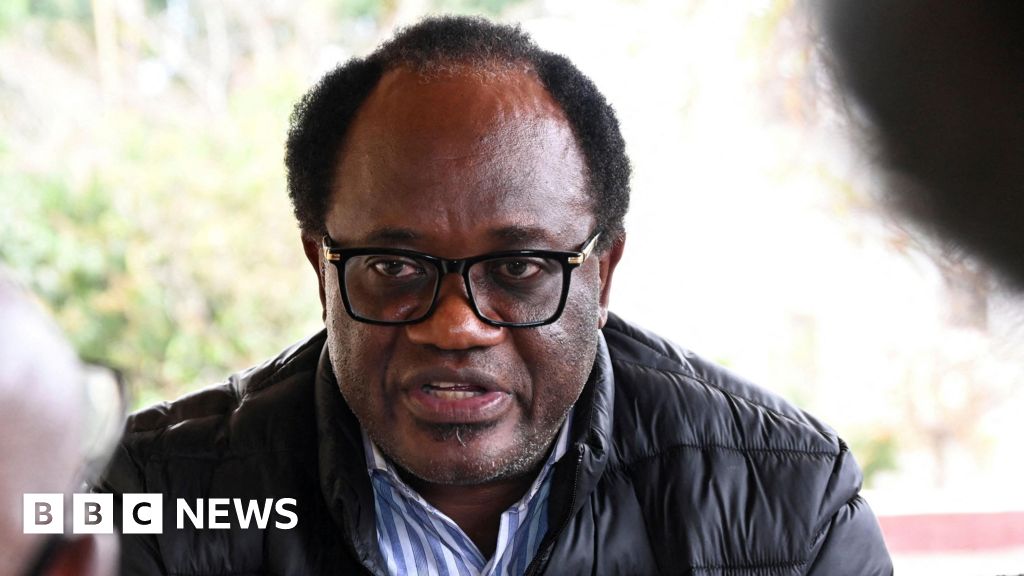
The political atmosphere in Zambia has grown increasingly tense following the sealing of key judicial complexes, including the Supreme Court and High Court in Lusaka, as the strict constitutional deadline for filing presidential election petitions expired. The August 13 general elections saw incumbent President Hakainde Hichilema declared the winner with approximately 60 percent of the vote, a result swiftly contested by opposition leaders who pointed to alleged procedural irregularities and restrictions during the tallying process. However, as lawyers and civic actors attempted to access court buildings to lodge official challenges, they encountered heavy security cordons, police tape, and armed personnel turning back legal counsel. International and regional observation missions, including teams from the European Union and the Southern African Development Community (SADC), had earlier characterized polling day as largely peaceful yet noted critical administrative shortcomings. These included late electoral reforms, restricted media access, and controversial military deployments near tallying centers. Opposition candidate Brian Mundubile, who secured second place, rejected the official outcome and subsequently went into hiding under international protection, citing direct threats to his safety and the arrest of several key campaign aides on treason-related allegations. Amidst the standoff, conflicting accounts emerged regarding the status of legal challenges. While Secretary to the Cabinet Patrick Kangwa issued a formal statement declaring that the seven-day statutory window had elapsed without any petition reaching the Judiciary, legal teams led by prominent advocates subsequently attempted alternative electronic and direct filings. Chief Justice Mumba Malila acknowledged receiving unsolicited petition documents through alternative channels, referring them to the Constitutional Court to ascertain their validity. Nevertheless, the executive arm pressed forward wi