Zambia after the polls: A test for democracy in Africa
POLITICSBy Kathy Short — DW
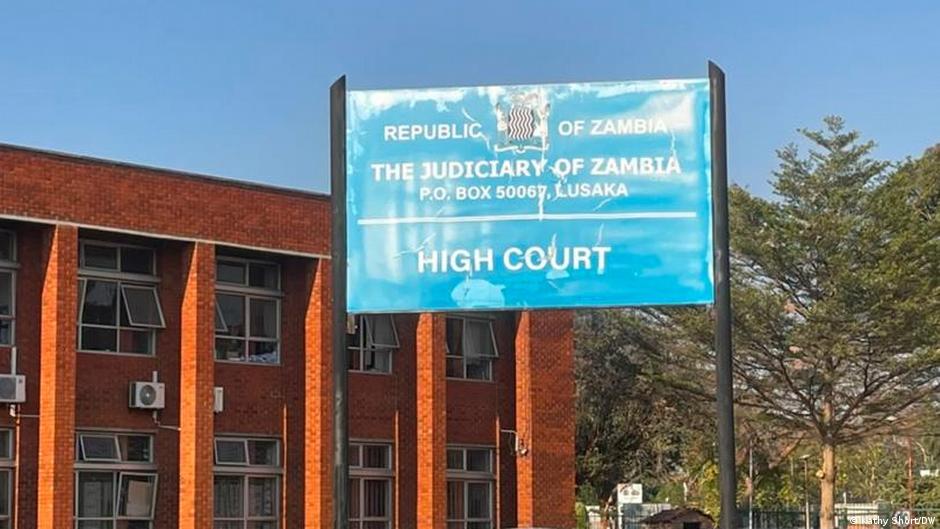
The aftermath of Zambia's August 13 general elections has plunged the nation into a complex political standoff, testing the resilience of its democratic architecture. The Electoral Commission of Zambia officially declared incumbent President Hakainde Hichilema the winner of a second five-year term, recording approximately 61% of the national vote. His primary challenger, Brian Mundubile of the opposition, finished with 38%. However, the path to these results was fraught with administrative hurdles, including temporary suspensions of vote counting due to security concerns at polling stations, localized skirmishes, and unusual deployments of state security personnel in Lusaka. Independent election monitors and international observers alike have pointed to an uneven campaign playing field and late regulatory adjustments that complicated the democratic exercise. Tensions escalated dramatically in the days following the close of polls, marked by high-stakes law enforcement raids targeting opposition figures and subsequent legal maneuvers. Mundubile, who initially went into hiding citing threats to his safety, was eventually handed over to police custody alongside key associates, facing questioning over allegations connected to national security. The opposition has strongly rejected these accusations, characterizing the measures as politically motivated efforts to stifle legitimate dissent and choke off avenues for legal redress. Furthermore, public frustration mounted as critical deadlines for electoral petitions passed while court accesses faced administrative roadblocks, leaving aggrieved parties with limited institutional recourse. President Hichilema’s administration has defended its electoral mandate as a clear endorsement of its ongoing economic stabilization agenda. Since taking office in 2021 during a severe national debt crisis, Hichilema's government has pursued aggressive fiscal restructuring, secured international financial backing, and positioned the count