PROTECTING THE PRESIDENCY AS A SYMBOL OF NATIONAL UNITY
POLITICSBy Zambian Observer — Zambian Observer
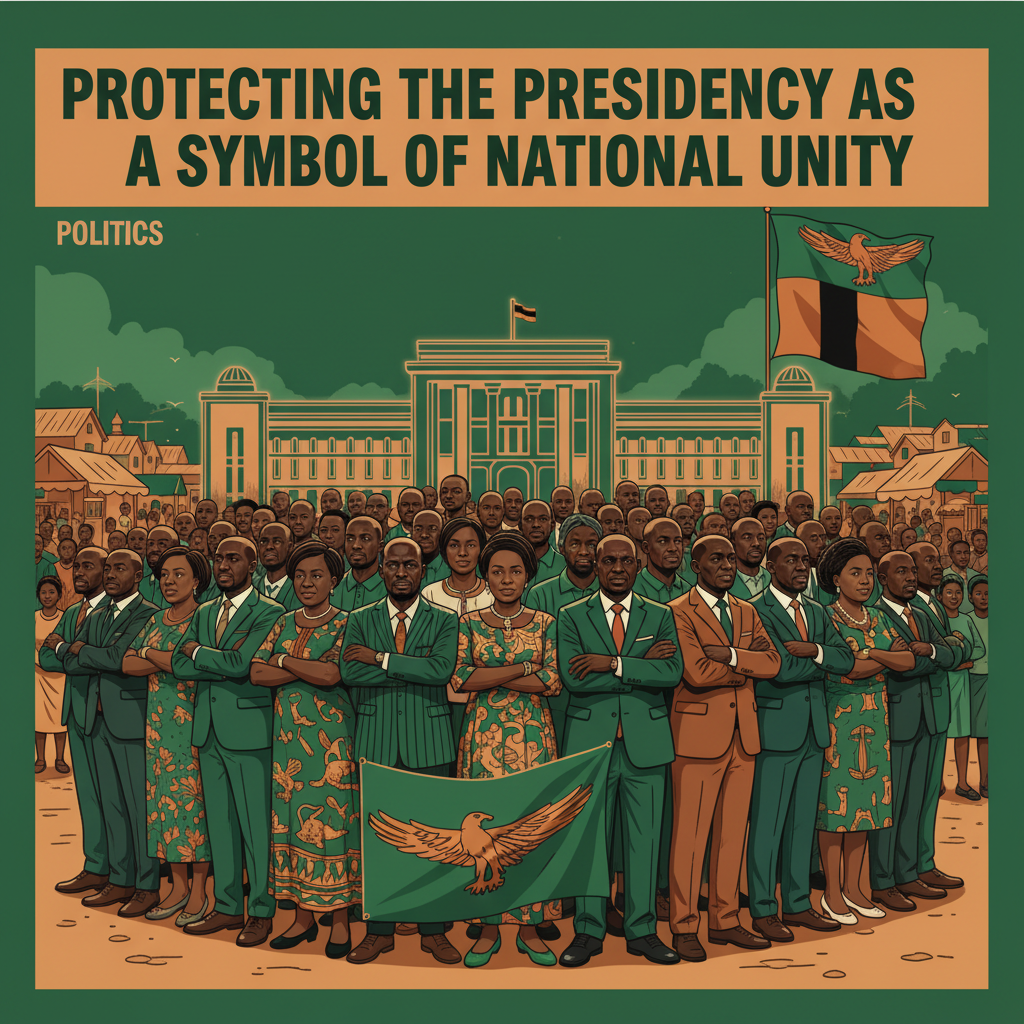
The Acton Institute for Policy Analysis Centre (AIPAC) has issued a stern statement expressing profound concern and dismay over recent troubling trends that threaten the dignity and sanctity of Zambia's premier national institutions. Central to their statement is the growing prevalence of derogatory content circulating across public platforms, in which youths are recorded hurling vitriolic and deeply insulting remarks directed at the Head of State. Even more alarming, the policy center noted, is the passive complicity or active encouragement of older individuals present during these incidents, pointing to a dangerous erosion of traditional norms and civic responsibility. AIPAC underscored that the office of the Presidency transcends individual occupants or fleeting political cycles. It stands as the quintessential embodiment of national unity, constitutional order, and the collective sovereignty of the Zambian people. While robust political discourse, ideological divergence, and vibrant debate are acknowledged as the lifeblood of any functional multi-party democracy, the institution itself must be insulated from toxic partisan crossfire. Disrespecting the highest office in the land, the think tank warned, chips away at the foundational pillars of peace and stability that Zambia has cherished since independence. The involvement of minors in political mudslinging has drawn particularly sharp rebukes from civil society observers. AIPAC stressed that utilizing children as proxies or instruments for political insults inflicts profound psychological harm on the youths themselves while fundamentally compromising the moral framework of society. Elders and guardians have a sacred civic and cultural duty to model respect, discipline, and constructive dialogue for the younger generation, rather than normalizing toxicity for short-term political gain. In light of these developments, AIPAC has made an impassioned appeal to all political players, community leaders, and citize