When Words Become Weapons
POLITICSBy Lusaka Times — Lusaka Times
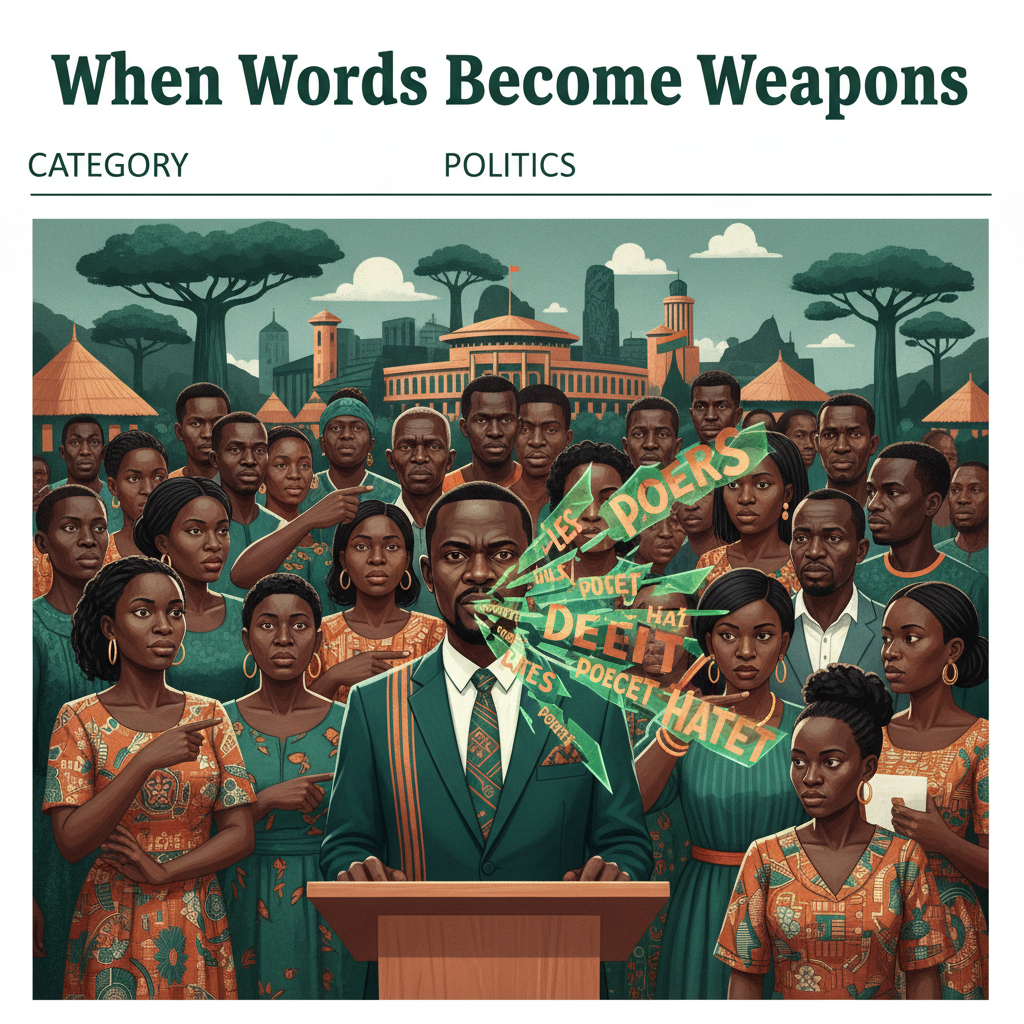
The timeless admonition found in the Book of James—that a small spark can ignite a massive forest fire—has taken on urgent resonance in contemporary Zambia. In the wake of a fiercely contested election, the nation finds itself grappling not only with political divisions but with a modern crisis of communication. Inflammatory rhetoric, unverified claims, and toxic polarization circulating across digital platforms and public forums have transformed everyday discourse into a volatile weapon, threatening the fragile peace that has long defined the Zambian republic. Observers note that the aftermath of elections frequently tests the resilience of democratic institutions. However, the current climate is exacerbated by the speed and reach of modern information technology, where incendiary words can mobilize crowds and deepen ethnic or regional fault lines within minutes. Civil society organizations, traditional leaders, and religious bodies have repeatedly raised alarms, calling for restraint among political actors and their supporters. Yet, the temptation to score political points through aggressive messaging often overrides the collective need for national healing and stability. The implications of unchecked political rhetoric extend far beyond immediate security concerns, reaching into the very heart of Zambia's economic recovery and social fabric. Investors and international partners closely monitor the nation's stability, knowing that prolonged political friction can undermine confidence, disrupt commerce, and stall critical development initiatives. For ordinary citizens trying to navigate the daily realities of the rising cost of living, the distraction of perpetual political bickering offers little solace, heightening a sense of fatigue and disillusionment with the political class. Addressing this linguistic and cultural crisis requires a concerted effort from all stakeholders. Law enforcement agencies must enforce regulations against hate speech and incitement i