THE CHURCH WORKING ON RECONCILIATION AND DIALOGUE INITIATIVE BEFORE INAUGURATION
INSTITUTIONSBy Zambian Observer — Zambian Observer
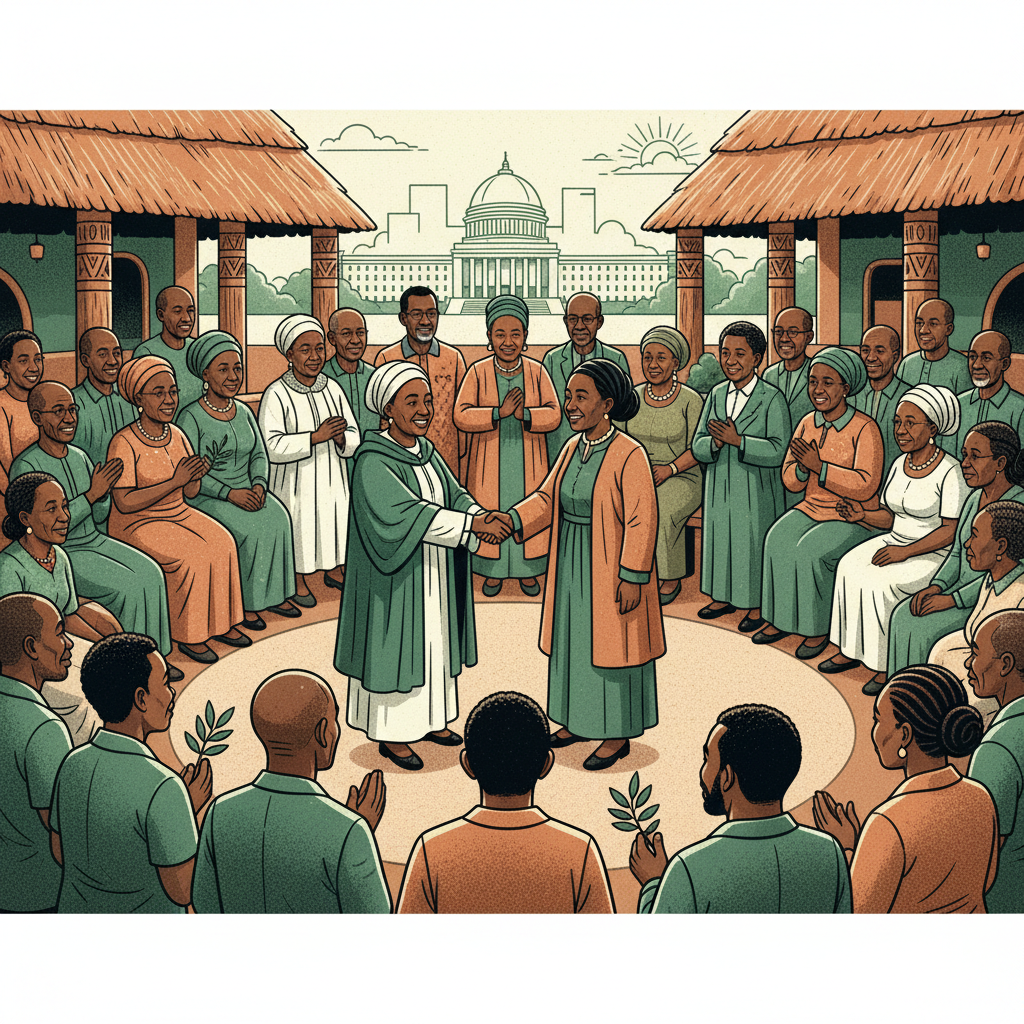
The Council of Churches in Zambia (CCZ) has intensified its diplomatic and pastoral engagements aimed at fostering a robust national reconciliation framework among key political stakeholders. As the nation navigates complex political dynamics and prepares for upcoming electoral cycles, religious institutions continue to step into the breach as trusted arbiters of peace. Church leaders emphasize that sustained national development and social cohesion require active, sincere dialogue across partisan divides, transcending historical political animosities. Religious bodies, notably including the CCZ alongside the Zambia Conference of Catholic Bishops (ZCCB) and the Evangelical Fellowship of Zambia (EFZ), have long served as the moral compass of the nation. In moments of heightened political tension, citizens frequently look to the church mother bodies to mediate disputes and guide political players toward compromise. Analysts note that these backchannel reconciliation efforts are crucial for mitigating polarization, reducing vitriol, and reinforcing the democratic fabric that has defined Zambia since independence under the banner of 'One Zambia, One Nation.' Observers point out that political reconciliation is not merely an ethical ideal but a pragmatic economic imperative. Prolonged political friction can deter investor confidence, disrupt public administration, and stall critical legislative reforms necessary for economic recovery. By championing inclusive dialogue, the religious fraternity aims to create a secure environment where divergent political factions can address grievances through constitutional and peaceful channels rather than confrontation. Civil society groups and ordinary citizens have largely welcomed the church's proactive posture, stressing that political leaders must demonstrate genuine political will to make these mediation efforts bear fruit. Past dialogue initiatives have occasionally stumbled due to rigid partisan posturing and mistrust among