FRA buys over 680,000MT of maize, pays farmers K3.4bn
BUSINESSBy Sherry Chabala — News Diggers
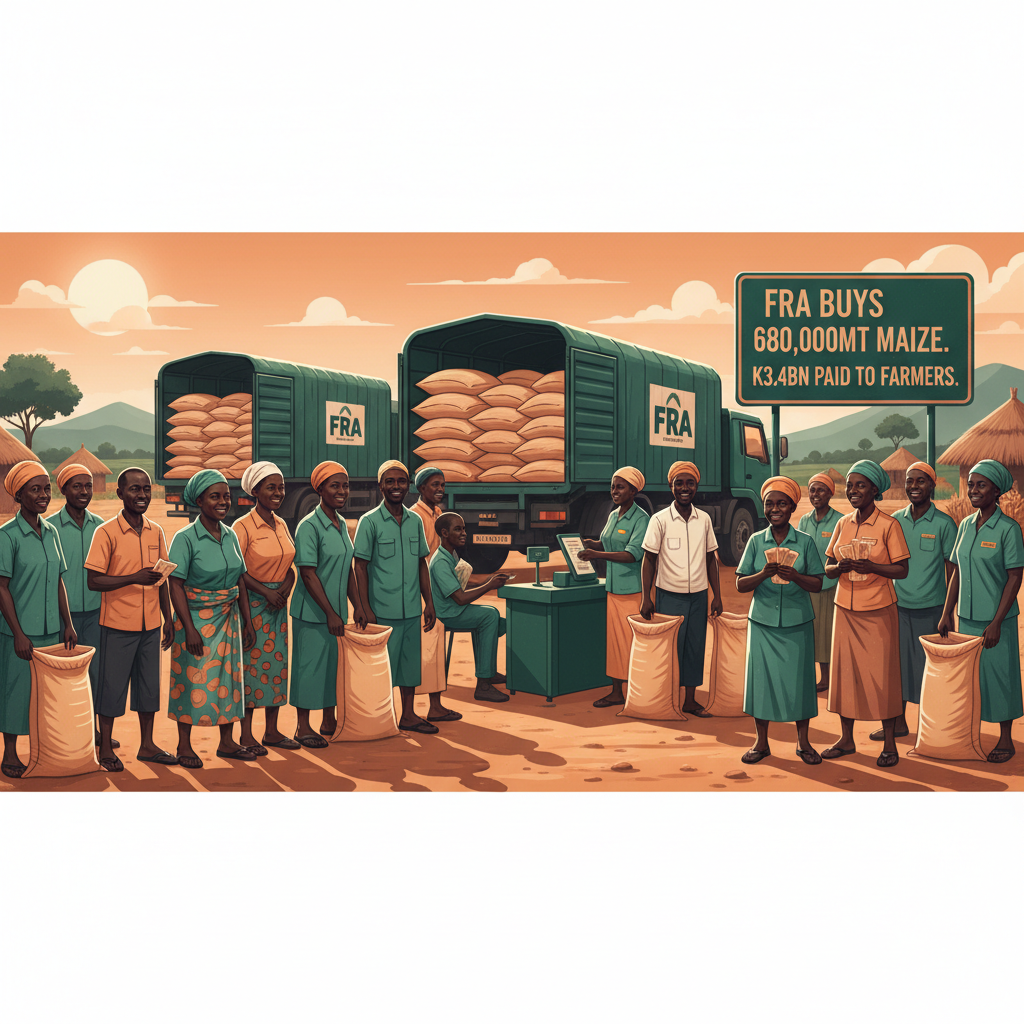
The Food Reserve Agency (FRA) has announced significant progress in its ongoing crop marketing season, disclosing that it has successfully purchased over 680,914 metric tonnes of white maize alongside 11.56 metric tonnes of paddy rice. The procurement drive, which commenced with the opening of satellite depots nationwide, has seen a total disbursement of approximately K3.4 billion directly to farmers supplying the strategic reserves. Addressing the media, FRA Board Chairperson Suresh Desai highlighted that the agency's proactive procurement strategy is bolstered by a substantial carry-over stock of 1.455 million metric tonnes from the previous 2024/2025 agricultural season. Combined with the current harvest purchases, Zambia's national strategic grain reserves have now comfortably surpassed the two million metric tonnes threshold, reinforcing the country's broader food security outlook amid regional climatic uncertainties. Mr. Desai attributed the relatively smooth distribution of funds to the successful implementation of digital payment systems, which integrate mobile money platforms and direct bank transfers. According to the FRA leadership, this technological shift has significantly curtailed historical administrative bottlenecks, ensuring that farmers receive their dues promptly and enhancing rural liquidity. Furthermore, the establishment of localized Satellite Depot Committees has streamlined operations at grassroots collection points, minimizing disputes and improving logistical coordination. Despite the positive milestones, the agency has emphasized that it remains active on the market, with depots scheduled to continue buying designated crops through October 31. Agricultural stakeholders have welcomed the injection of liquidity into rural economies, noting that timely payments provide critical disposable income for smallholder households. As the government navigates economic recovery initiatives, the robust performance of the agricultural sector remains