THE KAFWAYA CASE, THE ALLEGED MILITIA AND THE QUESTIONS THE LAW REQUIRES US TO ASK
POLITICSBy Zambian Observer — Zambian Observer
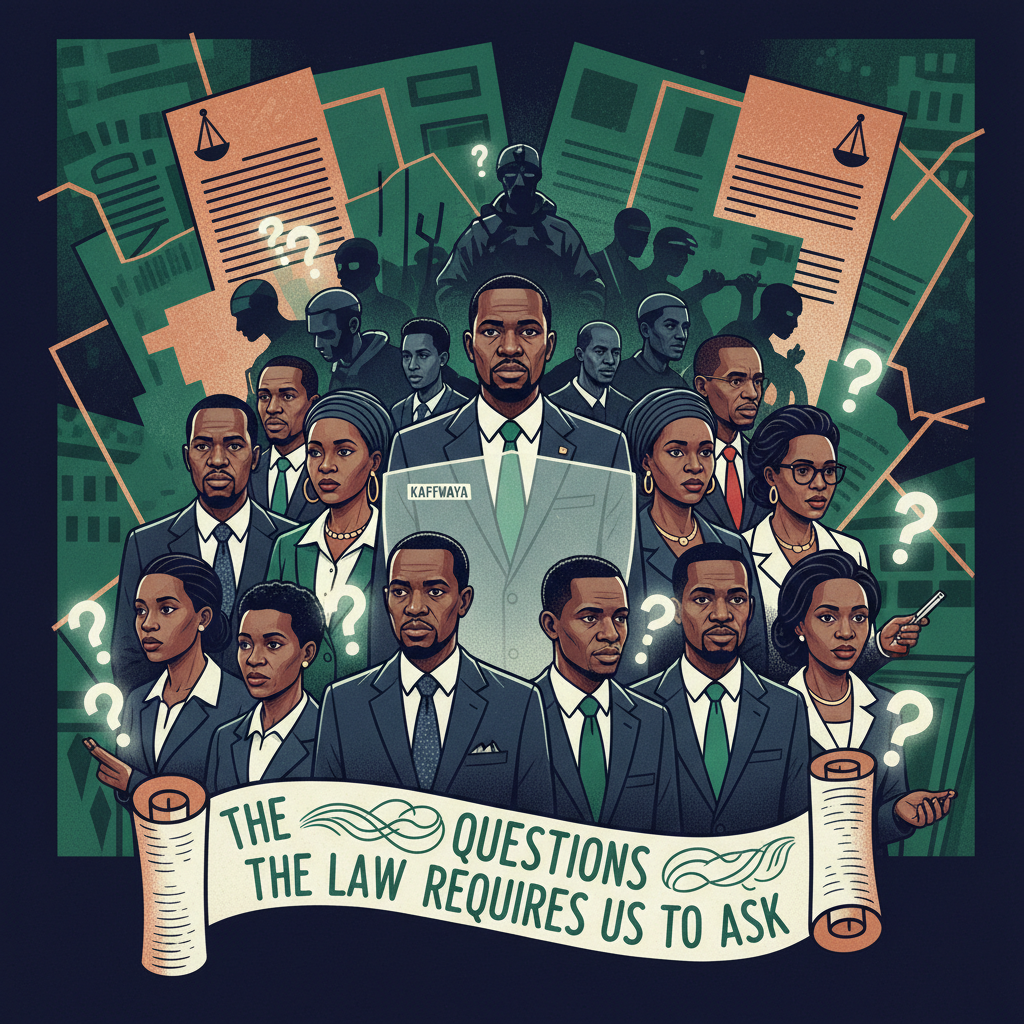
The political landscape in Zambia has been thrown into profound uncertainty following the confirmed death of former Transport and Communications Minister Mutotwe Kafwaya. Kafwaya lost his life during a high-stakes joint security operation conducted at a property linked to opposition figure Brian Mundubile in Lusaka. The incident, which unfolded in the tense aftermath of the recent presidential election, has triggered an intense national debate regarding the limits of state power, the rule of law, and the protocols governing law enforcement operations. According to official statements from security wings, the predawn raid was launched following intelligence reports regarding an alleged militia group training and accumulating high-grade weaponry to threaten national security. Authorities stated that security personnel encountered armed resistance and an exchange of gunfire upon arrival, resulting in Kafwaya being fatally wounded and the subsequent arrest of multiple individuals, including former military commandos. However, these assertions have been fiercely contested by opposition leaders, who have dismissed the militia allegations as a fabricated pretext designed to suppress political dissent and intimidate rivals following closely contested electoral outcomes. Legal minds and civil society actors have stepped forward to emphasize that regardless of the underlying political tensions, the circumstances surrounding a citizen's death during a state operation demand rigorous judicial accountability. Observers note that under Zambian constitutional law, the right to life is supreme, and any use of lethal force by state agents must be subjected to independent, transparent coronial inquests or criminal investigations. The lack of immediate clarity following the raid—initially compounded by conflicting reports and delayed official confirmations—has further eroded public trust and fueled widespread speculation across civil society and digital platforms. As the nation