Mundubile rejects presidential election results and vows legal challenge
POLITICSBy Zambian Observer — Zambian Observer
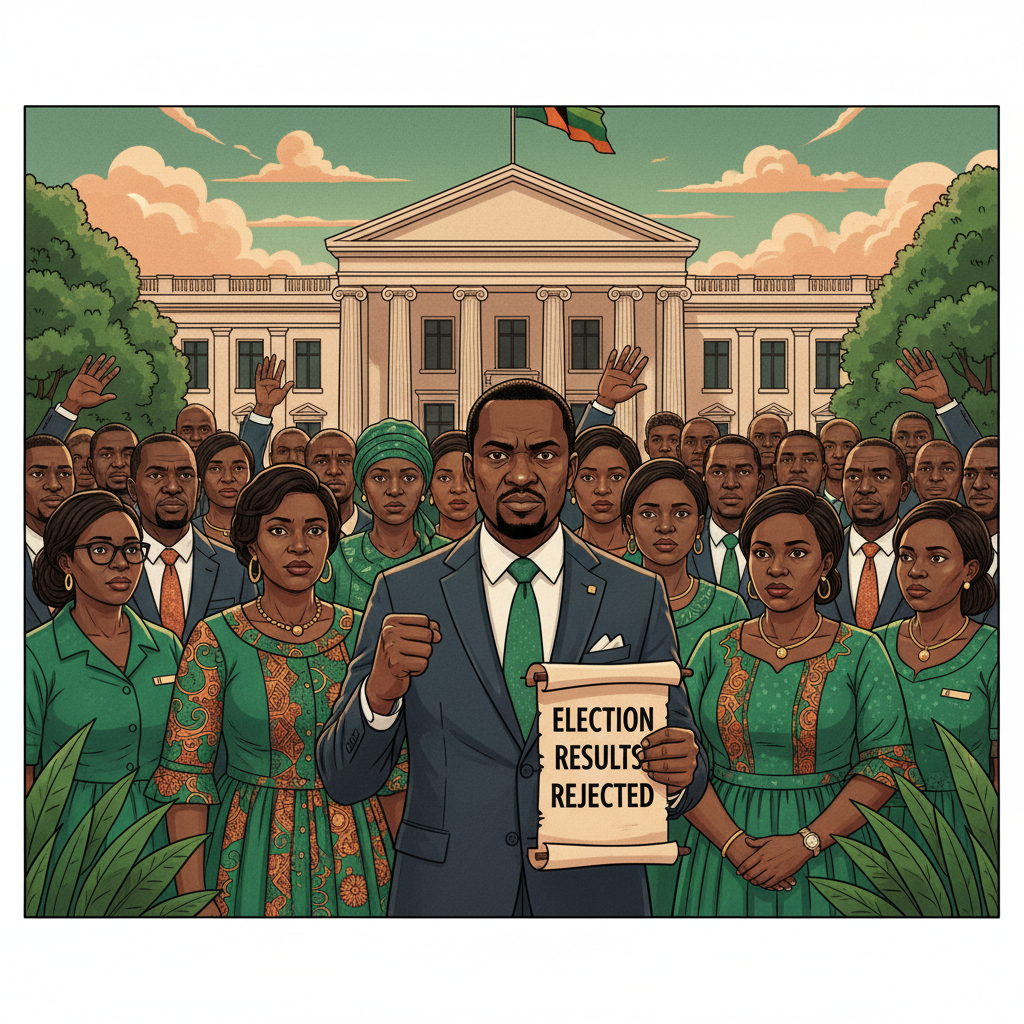
The political landscape in Zambia remains tense as National Reconciliation Party for Unity and Prosperity (NRPUP) leader Brian Mundubile formally rejected the announced results of the August 13, 2026 presidential election. Speaking to supporters and the media, Mundubile declared that his party does not recognize the legitimacy of the outcome, citing widespread procedural irregularities, delays in the verification process, and alleged interference at key tallying centers. The opposition coalition has insisted that its parallel voter tabulation paints a very different picture of the democratic expression across the nation's ten provinces. In response to the mounting political friction, the Electoral Commission of Zambia (ECZ) has urged calm, reminding all stakeholders that it remains the sole constitutional body legally mandated to tally, verify, and declare final election results. ECZ officials defended the transparency of their systems while acknowledging that temporary suspensions in vote counting occurred in specific districts due to isolated security concerns and logistical friction. International and domestic observer missions have been closely monitoring the situation, calling on political actors to channel all grievances through established legal mechanisms rather than resorting to inflammatory rhetoric. Legal experts indicate that Mundubile's anticipated petition to the Constitutional Court will trigger a critical test for Zambia's judicial independence and electoral framework. Under Zambian electoral law, candidates contesting presidential outcomes are required to substantiate claims of malpractice with robust, verifiable evidence meeting high evidentiary standards. The petition process will scrutinize everything from the chain of custody for ballot boxes to the accurate transcription of polling station results on Gen 20 forms, ensuring that judicial scrutiny addresses every layer of the controversy. Civil society organizations and peace advocates across