A Harvest That Keeps Zambia's Children Learning
EDUCATIONBy Fumbe Chanda — AllAfrica Zambia
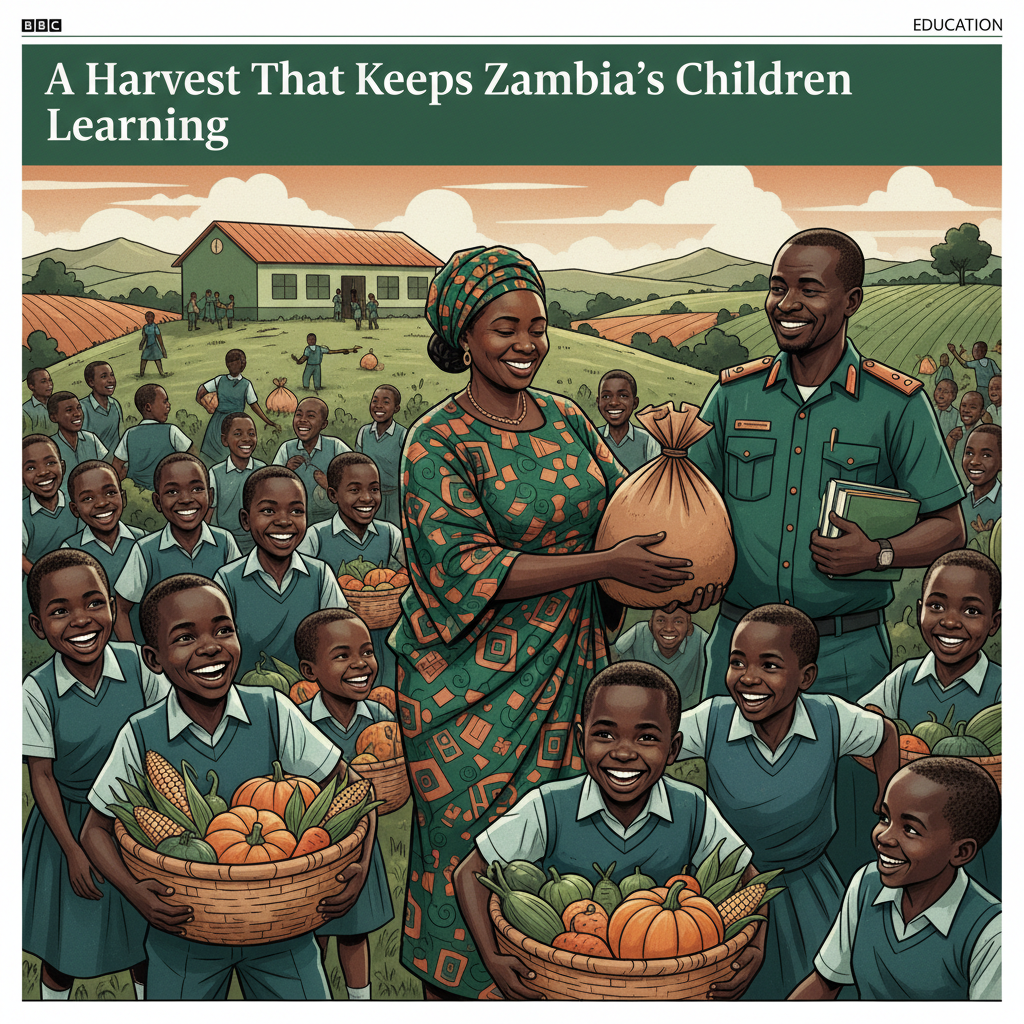
In a crowded classroom in southern Zambia, children sit shoulder to shoulder at worn wooden desks, their pencils moving diligently across open exercise books. For the farming families of Dumba Settlement in the Magoye area of Mazabuka District, keeping children in these classrooms is a testament to the resilience of cotton. While staple crops like maize suffered heavily during recent erratic weather patterns and droughts, cotton has proven to be remarkably drought-resilient, functioning effectively as a rural "bank" that generates essential cash for local households. Zambia's progressive introduction of free education from early childhood to secondary level has catalyzed a massive surge in school enrolments, with national figures soaring past 6.8 million learners. However, while tuition and formal examination fees have been lifted by the state, the indirect costs of schooling—such as uniforms, shoes, textbooks, and transport—continue to weigh heavily on rural families. For many smallholder farmers in Dumba and surrounding agrarian communities, cotton harvest proceeds bridge this critical financial gap, allowing parents to purchase supplies and even shoulder tertiary college fees. Extension officers and local agricultural experts note that cotton's economic footprint extends far beyond the school gate. Earnings from the cash crop enable families to upgrade their standard of living, construct better housing, acquire bicycles or motorbikes, and purchase supplementary food provisions when maize harvests fall short. Yet, growers emphasize that realizing the full potential of this agricultural subsector requires targeted improvements, including better-yielding seed varieties, more competitive market prices, and faster payment turnarounds from buyers to prevent rural households from falling into financial distress. Despite the clear socioeconomic benefits, the journey of smallholder cotton farmers remains fraught with structural hurdles. Access to formal credit, modern