Parliamentary Representation Shifts as UPND Breaks into Northern Circuit
POLITICSBy Zambian Observer — Zambian Observer
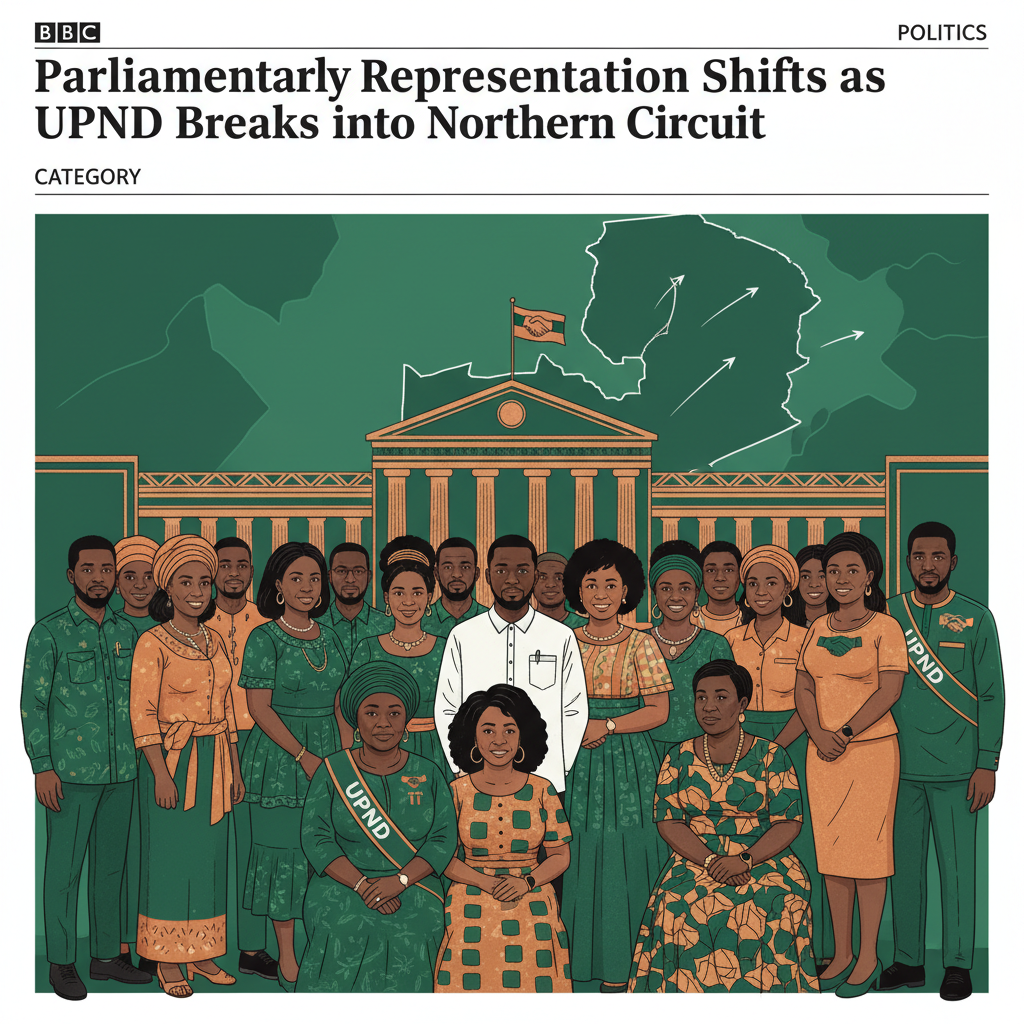
A significant and evolving political narrative is quietly reshaping Zambia's democratic landscape away from the fiery rhetoric of the presidential race, focusing instead on a transformation within the parliamentary map. Recent electoral outcomes and constituency tallies indicate that the ruling United Party for National Development (UPND) has made notable parliamentary inroads into parts of the country historically dominated by the opposition Patriotic Front (PF) and its allied formations. Traditionally anchored in the southern and western provinces, the ruling party's ability to contest and capture seats in regions previously considered impenetrable fortresses signals a notable evolution in voter behavior across the nation. Among the most striking shifts reported are outcomes from the Northern and Luapula provinces, where opposition figures have historically commanded absolute loyalty. Electoral data reveals that the UPND has captured several strategic constituencies, cutting deep into areas that serve as core political bases for opposition heavyweights. Analysts point out that winning parliamentary representation in these northern territories demonstrates a calculated expansion of the ruling party's national footprint. By securing legislative seats in regions once fiercely opposed to its administration, the UPND is beginning to dismantle the long-standing geographic polarization that has defined Zambian politics for decades. This trend is mirrored in Eastern Province, another vital geopolitical battleground that formed a critical pillar of previous opposition coalitions. Reports of the ruling party picking up crucial parliamentary seats in areas such as Chipata Central and surrounding districts underscore a growing pragmatism among rural and semi-urban electorate blocs. Voters appear increasingly willing to split their ballots, separating their choices for the presidency from local parliamentary preferences. This phenomenon reflects a broader desire for legislat