Thermal Breakdown: When Oil Can’t Take the Heat
TECHNOLOGYBy Steven Lumley — Zambian Mining News
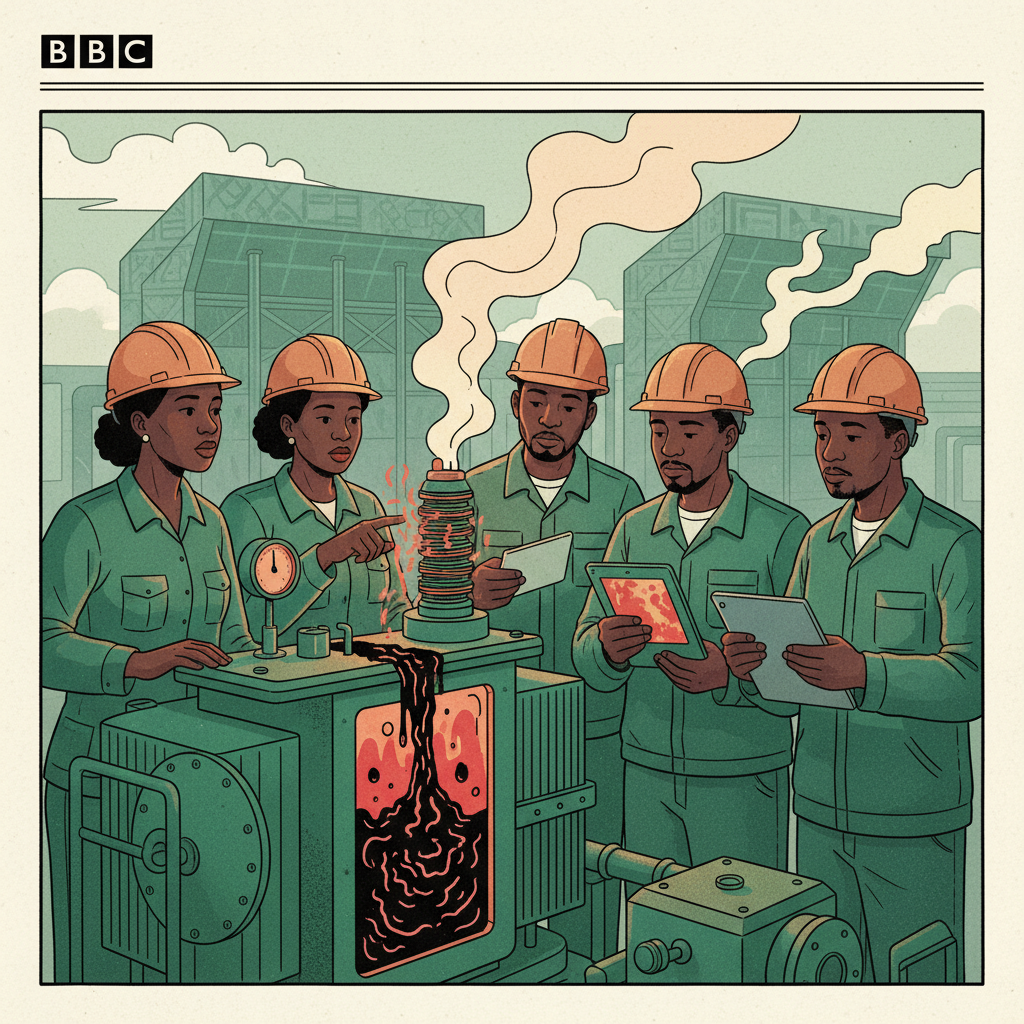
Industrial machinery operating across various sectors relies heavily on proper lubrication to maintain efficiency and prevent catastrophic failure. In the fourth installment of WearCheck’s educational series, 'When Good Oils Go Bad,' technical manager Steven Lumley turns the spotlight onto thermal breakdown. This critical phenomenon occurs when lubricating oils are subjected to excessive operating temperatures that exceed their thermal threshold, leading to molecular degradation, viscosity alterations, and compromised equipment protection. Thermal breakdown is a silent adversary in heavy industrial settings, often manifesting without immediate outward signs until significant internal damage has occurred. When oil molecules break down under extreme heat, they form sludge, varnish, and carbonaceous deposits that foul system components, restrict oil flow, and insulate heat exchangers. This creates a vicious cycle where diminished cooling efficiency further accelerates thermal stress on both the remaining lubricant and the machinery itself. For industries operating in demanding environments, understanding the root causes of thermal stress is essential for proactive maintenance. Common culprits include localized hot spots within machinery, overloaded systems, restricted coolant flows, and the selection of incorrect lubricant grades for high-temperature applications. Regular oil analysis serves as the primary line of defense, allowing maintenance teams to detect early signs of oxidation and thermal distress before they result in unplanned downtime and costly repairs. WearCheck's ongoing series underscores the growing emphasis on condition-based maintenance and asset reliability within the industrial sector. By educating engineers and maintenance personnel on the nuances of fluid degradation, technical experts hope to foster a culture of preventative care. Properly monitored and maintained lubricants not only extend the operational lifespan of expensive capital equipmen