INDEPENDENCE IN 2 DAYS TIME – MUNDUBILE
POLITICSBy Zambian Observer — Zambian Observer
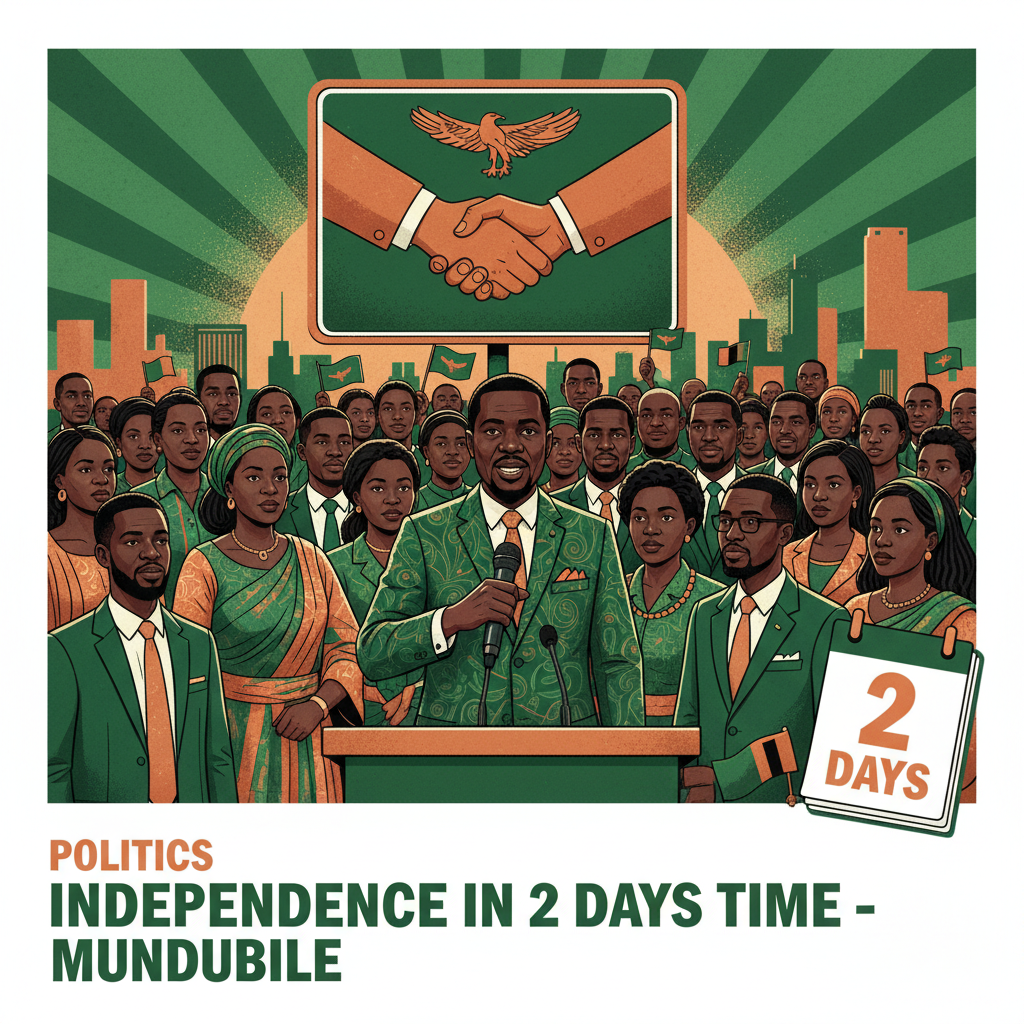
As political momentum reaches a fever pitch across Zambia, opposition rhetoric has taken on a historic and urgent tone, with key figures framing the impending general election as a critical battle for the nation's soul. Prominent political figures have aggressively galvanized the electorate, declaring that the upcoming polls represent a crucial opportunity to usher in a "Second Independence" for ordinary citizens. This messaging seeks to resonate with a populace grappling with persistent economic pressures, high living costs, and intense debates over democratic space and governance. The narrative of a second liberation centers heavily on the premise that while Zambia successfully cast off British colonial rule over six decades ago, the average citizen is yet to experience true economic and social emancipation. Opposition figures argue that systemic poverty, legislative constraints on expression, and centralized control over national resources continue to stifle the dreams of youth, marketeers, and workers alike. By invoking the symbolism of independence, political challengers are attempting to mobilize public discontent into a cohesive electoral force capable of unseating the incumbent administration at the ballot box. Critics and supporters of the ruling government, however, view such dramatic declarations through a sharply different lens. Government defenders maintain that the current administration inherited a deeply fractured economy and has worked tirelessly to stabilize macroeconomic indicators, restructure unsustainable national debt, and restore international confidence. They argue that casting a democratic election as an existential struggle or a fight for independence undermines constitutional order and sensationalizes normal political competition within Zambia's vibrant multi-party democracy. On the ground, the public reaction remains deeply polarized. Urban centers such as Kitwe and Lusaka have become epicenters of intense campaign activities, where e