ECZ Intensifies Poll Preparations in Sioma
POLITICSBy Lusaka Times — Lusaka Times
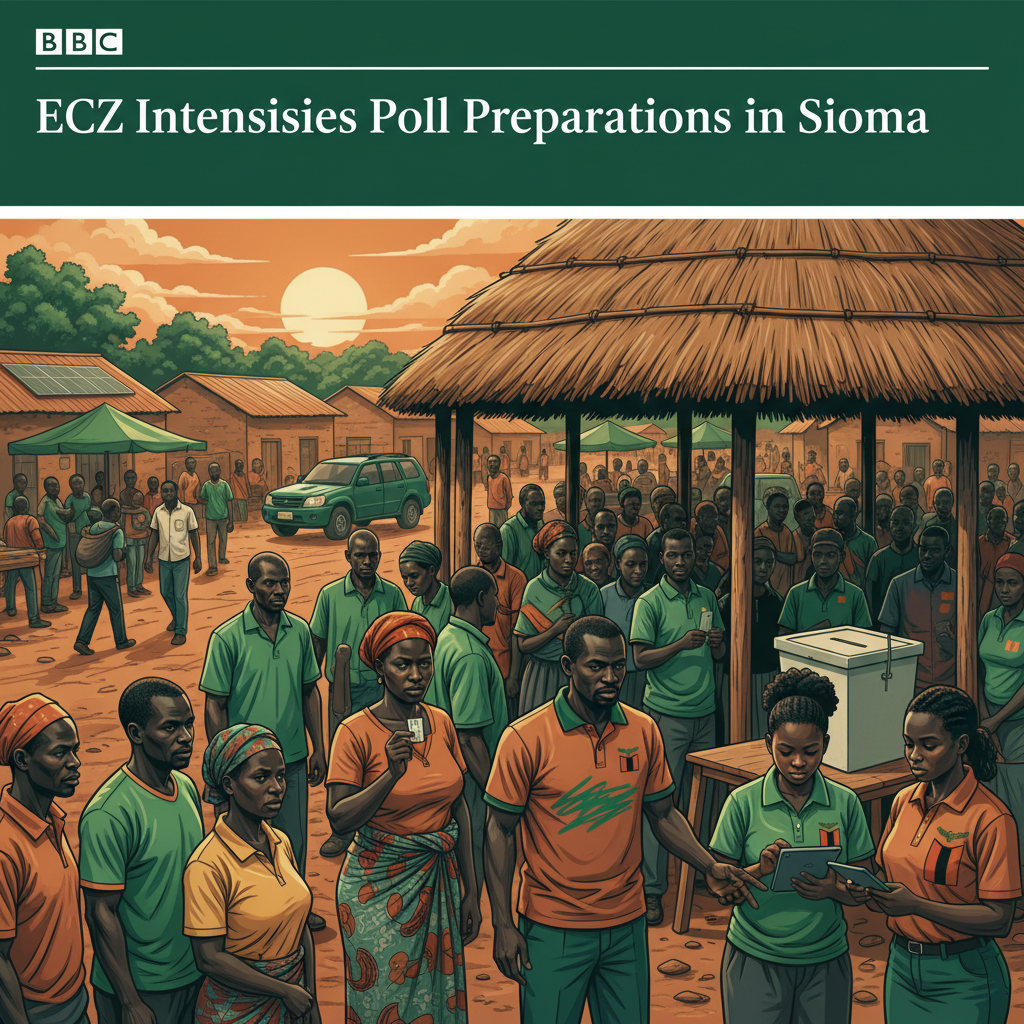
The Electoral Commission of Zambia (ECZ) has intensified its nationwide logistical preparations ahead of the forthcoming general elections slated for August 13, 2026. In districts such as Sioma, local electoral officials alongside civic stakeholders and political party representatives have successfully commenced and conducted verification exercises for incoming ballot papers and sensitive polling materials. These rigorous checks form a core component of the electoral roadmap, ensuring absolute transparency, accountability, and public confidence before the materials are dispatched to individual polling stations. As the clock ticks down to election day, the ECZ has emphasized adherence to strict security protocols governing the handling and storage of electoral assets. Representatives from various political formations, civil society organizations, and independent observers have been actively engaged on the ground to inspect serial numbers, packaging integrity, and consignment quantities. This collaborative oversight is designed to mitigate logistical bottlenecks and preempt disputes, reinforcing the credibility of the democratic process across both urban centers and remote rural constituencies like Sioma. The 2026 electoral cycle carries distinct administrative significance, unfolding against the backdrop of recent constitutional and legislative adjustments to Zambia's voting architecture, including the implementation of mixed-member representation frameworks for the National Assembly. Consequently, district election officers face the dual challenge of managing expanded parliamentary and local government ballots while conducting extensive voter education campaigns. Ensuring that every polling district receives accurate consignments on schedule remains a vital operational priority for the Commission. Local reactions to the ongoing preparations have generally reflected a mixture of civic anticipation and vigilance. Community leaders in Western Province have urged res