Zambia's National Health Insurance Cuts Costs for Older People, but Funding Gaps Limit Its Potential - Study
HEALTHBy Malizgani Paul Chavula and Cosmas Zyambo — The Conversation Africa
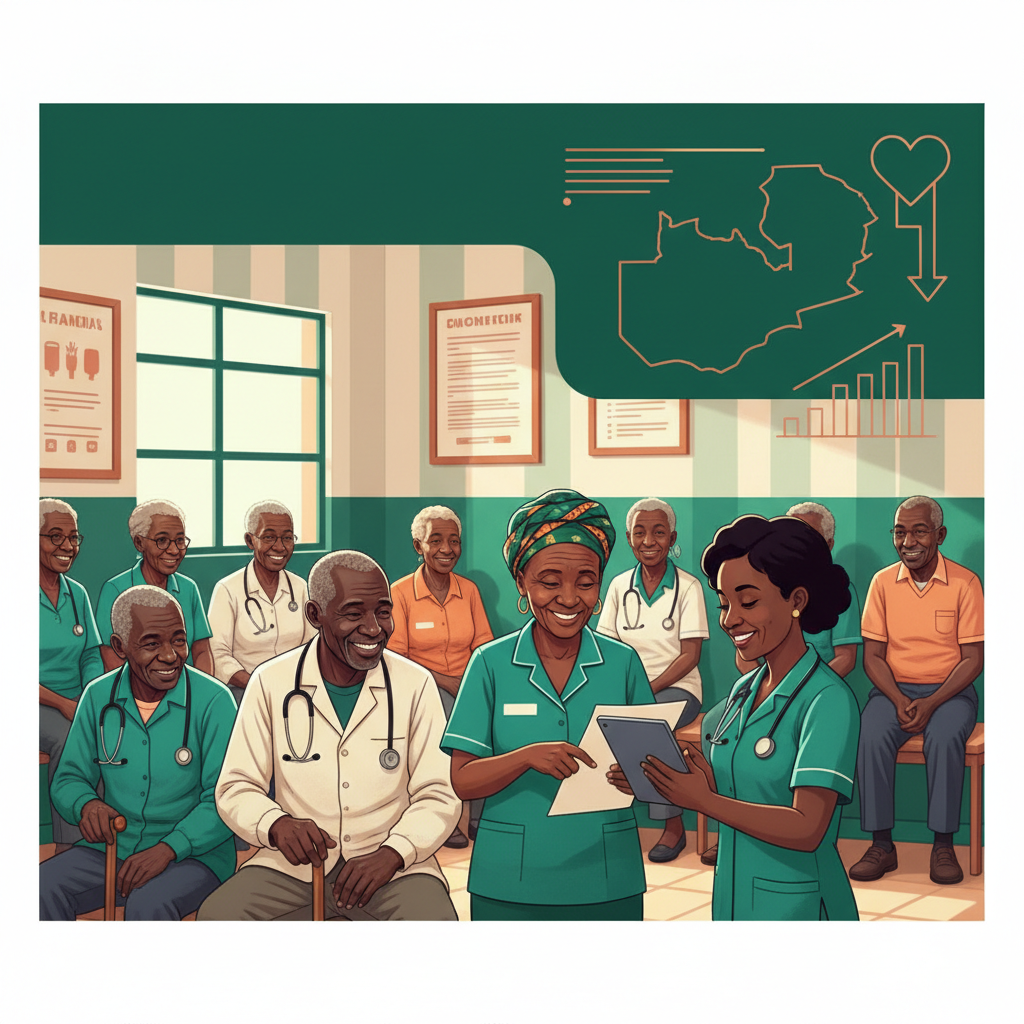
As Zambia's population ages, older citizens face a rising burden of chronic non-communicable diseases such as hypertension, diabetes, and heart conditions that demand continuous medical management. For retirees and elderly individuals living on fixed or minimal incomes, the cost of regular consultations and pharmaceutical drugs has historically presented a formidable barrier to survival. In response to these vulnerabilities, a recent study examining the National Health Insurance Scheme (NHIS) has shed light on how institutional health financing is shifting healthcare accessibility for older demographics across the country. Launched to steer the nation closer to universal health coverage, the NHIS has provided a crucial financial cushion for senior citizens and pensioners. According to qualitative findings from public health researchers, beneficiaries enrolled under dedicated senior and pensioner accounts report substantial relief from out-of-pocket medical expenses. Many elderly individuals have expressed appreciation for the scheme, noting that it safeguards their meager retirement savings from being entirely consumed by emergency hospital bills and routine prescription costs. Furthermore, targeted outreach initiatives have sought to bridge the information and registration gap, enrolling elderly members directly from their homes to ensure they are integrated into the insurance framework. Despite these commendable strides, the study underscores significant structural bottlenecks that threaten to undermine the long-term viability and impact of the scheme. Chief among these concerns are persistent funding gaps, which cascade down into acute shortages of essential medicines and medical supplies at public health institutions and accredited pharmacies. Elderly patients frequently encounter scenarios where, despite holding valid insurance coverage, they are forced to procure prescribed drugs out of pocket due to depleted inventories at health facilities. This dichotomy