Zed Beats: how home studios reinvented Zambian pop music and gave young people a voice
TECHNOLOGYBy Mathew Tembo — The Conversation Africa
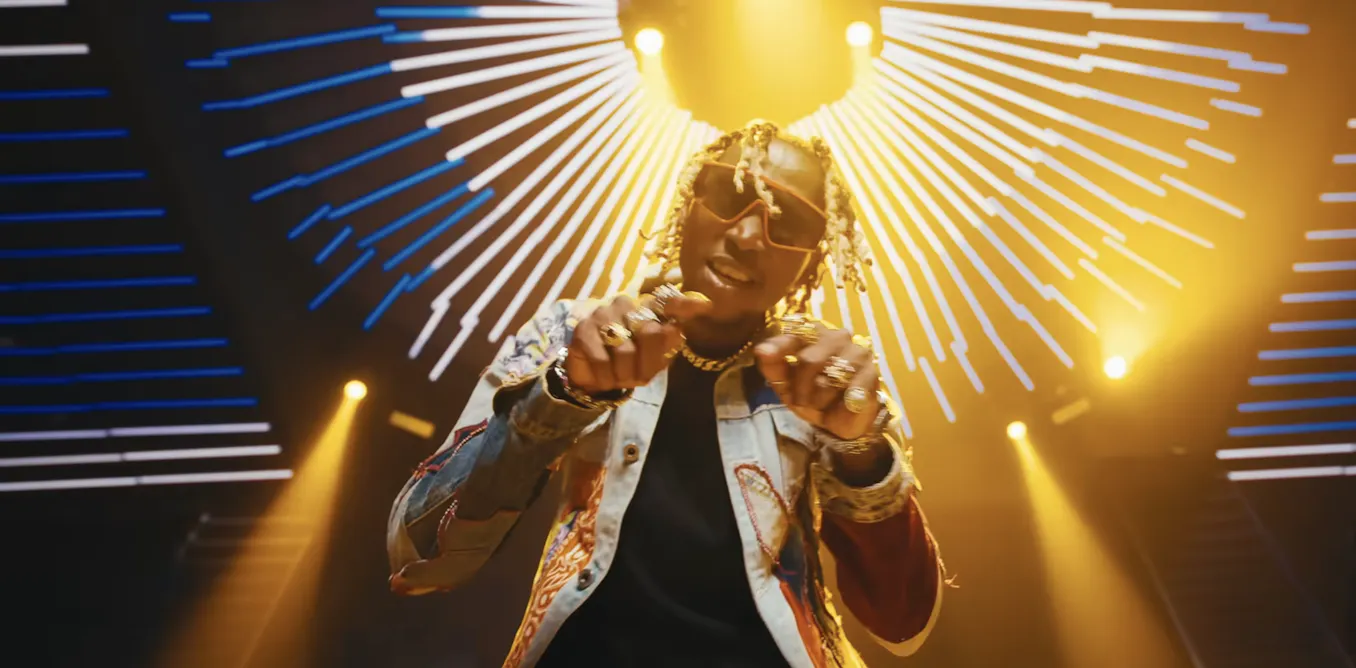
The evolution of Zambian popular music stands as a testament to creative resilience, technological adaptation, and youth empowerment. Emerging in the late 1980s and early 1990s against a backdrop of economic shifting and limited professional recording infrastructure, young Zambian producers began experimenting with computer-based production. By fusing indigenous Zambian rhythms and local languages with Western genres like R&B, rap, reggae, and hip-hop, these pioneers laid the foundational stones for what is known today as Zed Beats. What started as localized bedroom experiments gradually transformed into an umbrella term for the vibrant urban popular music defining contemporary Zambian culture. For decades, the high cost of studio time and equipment gatekept the music industry, limiting who could record and distribute their art. However, the democratization of music production through affordable home studios and digital audio workstations revolutionized the scene. Aspiring artists across Lusaka, the Copperbelt, and beyond no longer required massive financial backing from multinational record labels to make their voices heard. Producers effectively transformed computers into versatile instruments, blurring the traditional boundaries between musician, engineer, composer, and arranger. This accessibility opened the floodgates for a fresh wave of talent, injecting raw grassroots perspectives into the mainstream national consciousness. While Zed Beats tracks are rarely overtly political in their lyrical content, the movement occupies a powerful space in the socio-political fabric of Zambia. The genre's immense popularity among the youth demographic has turned artists into influential cultural commentators and community leaders. Consequently, political actors across the spectrum frequently leverage Zed Beats stars and their catchy rhythms to engage younger demographics and mobilize voters during election cycles. This dynamic underscores how pop culture intersects with c