Morocco Delivers Fertiliser Boost to Southern Africa as Zambia Leads Regional Food Drive
BUSINESSBy Zambian Agribusiness — Zambian Agribusiness
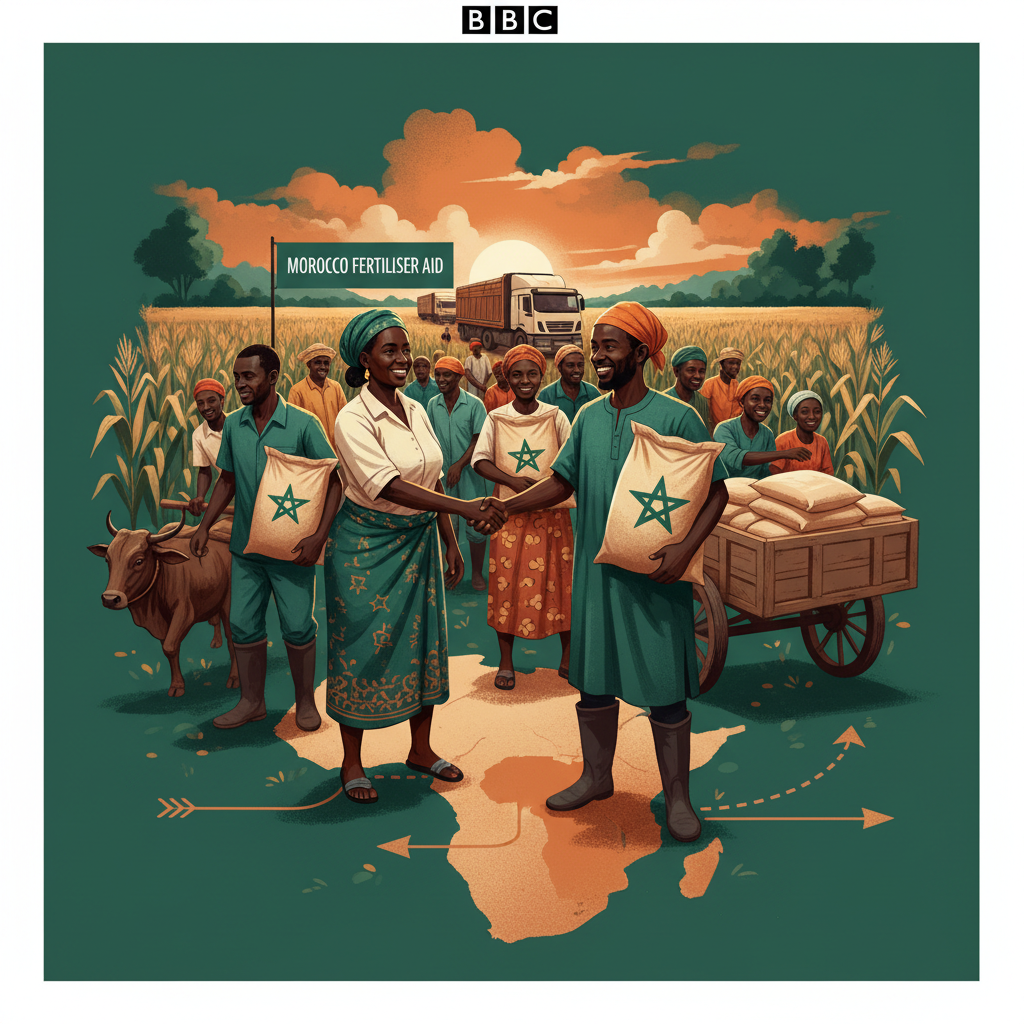
The Kingdom of Morocco has delivered 500 metric tonnes of fertiliser to support vulnerable smallholder farmers in Southern Africa, adding fresh momentum to a broader regional drive led by neighbouring Zambia to bolster food security and mitigate severe climate-driven supply shocks across the continent. The consignment arrives at a critical juncture for agricultural corridors in the Southern African Development Community (SADC), where erratic rainfall patterns and prolonged dry spells have heavily impacted small-scale crop production. As Zambia increasingly steps up its role as a regional agricultural anchor and grain supplier, targeted international input contributions are proving essential in stabilizing local farming communities and maintaining continuity through subsequent planting cycles. The latest batch of agricultural support aims to cushion smallholder farmers who form the backbone of rural food production but frequently face acute barriers to accessing vital inputs like commercial fertilizers. By focusing distribution channels on vulnerable farming districts, regional authorities intend to maximize winter cropping under irrigation and offset anticipated shortfalls from rain-fed harvests. This collaborative framework draws on deeper bilateral and multilateral ties between African agricultural stakeholders and international partners such as Morocco's OCP Group, which has expanded its footprint across the continent through customized soil mapping and fertilizer relief initiatives designed to match local agronomic conditions. For Zambia, which has pursued active partnerships with Moroccan enterprises to revamp domestic production capabilities at facilities like Nitrogen Chemicals of Zambia, regional supply resilience remains a top economic priority. Agricultural experts note that while sporadic donations provide immediate relief for smallholders, long-term food security across the Zambezi basin depends heavily on scaling up localized manufacturing, enhancing