2016 TO 2021 vs 2022 TO 2026 IN TEACHER RECRUITMENT AND IMPACT ON EDUCATION
EDUCATIONBy Zambian Observer — Zambian Observer
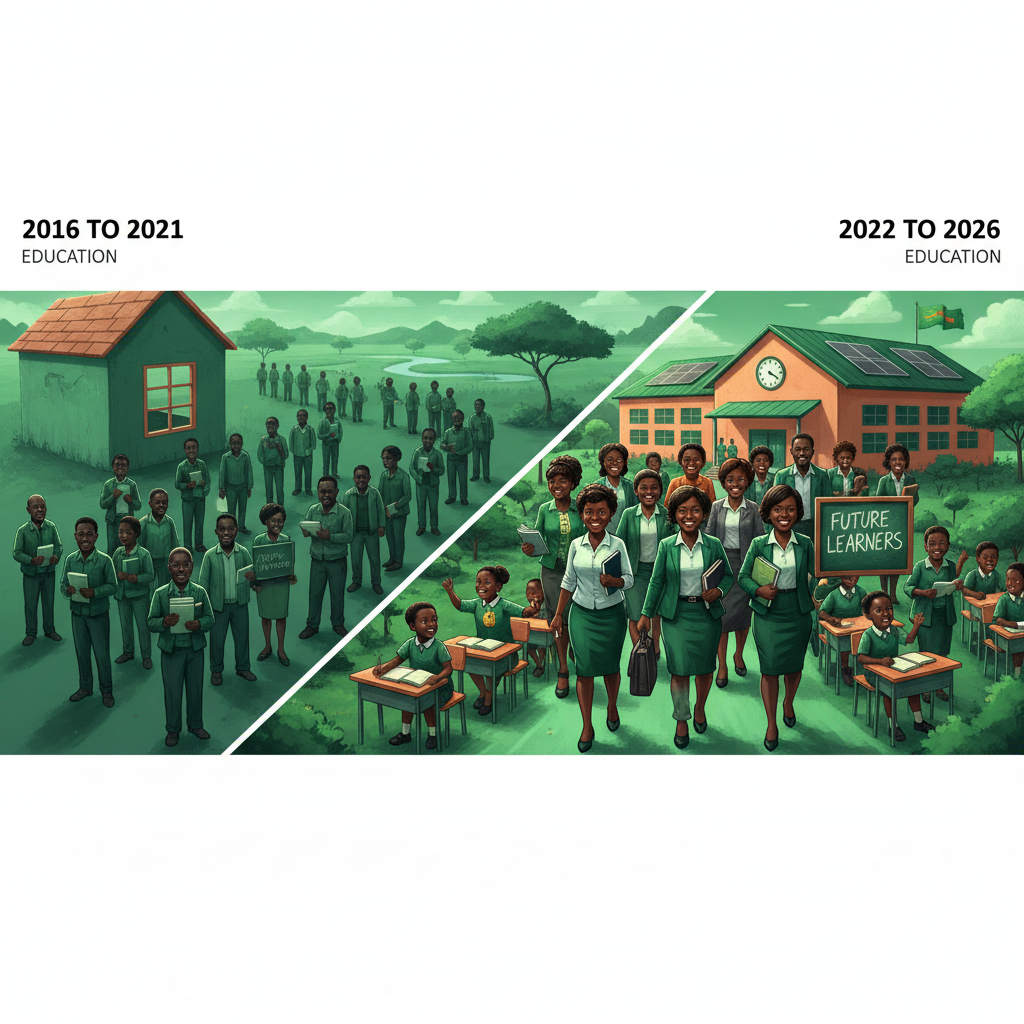
The landscape of Zambia's education sector has undergone a profound transformation over the past decade, marked by contrasting policy approaches and administrative priorities between the 2016-2021 period and the subsequent era spanning 2022 to 2026. Under the current United Party for National Development (UPND) administration, the re-introduction and expansion of the free education policy from early childhood to secondary school served as a watershed moment. This policy dismantled financial barriers that had long kept millions of children out of classrooms, triggering an unprecedented surge in national student enrollment running into millions of additional learners. However, an influx of pupils into the public school system immediately exposed deep-seated structural vulnerabilities, most notably acute teacher shortages and severely constrained infrastructure. During the 2016-2021 timeframe, constrained fiscal space and a public service wage freeze severely restricted recruitment, leaving thousands of trained teachers stranded on waiting lists while pupil-teacher ratios ballooned to unsustainable levels. Schools across both urban and rural provinces struggled with overcrowded classrooms, a severe deficit of desks, and depleted stocks of learning materials, casting a shadow over educational quality even as gross enrollment numbers climbed. In sharp contrast, the 2022-2026 period has been defined by aggressive, large-scale recruitment drives supervised by the Ministry of Education and the Teaching Service Commission. Historic recruitment cycles—beginning with tens of thousands of teachers hired in 2022 followed by continuous annual intakes—have injected much-needed manpower into primary and secondary schools. Government officials point to these numbers as definitive proof of a revitalized public sector committed to honoring manifesto pledges and restoring the dignity of the teaching profession after years of stagnation. Yet, education analysts and civil society orga