The quiet decline of a lifelong habit in the digital age
EDUCATIONBy Unknown — Lusaka Star
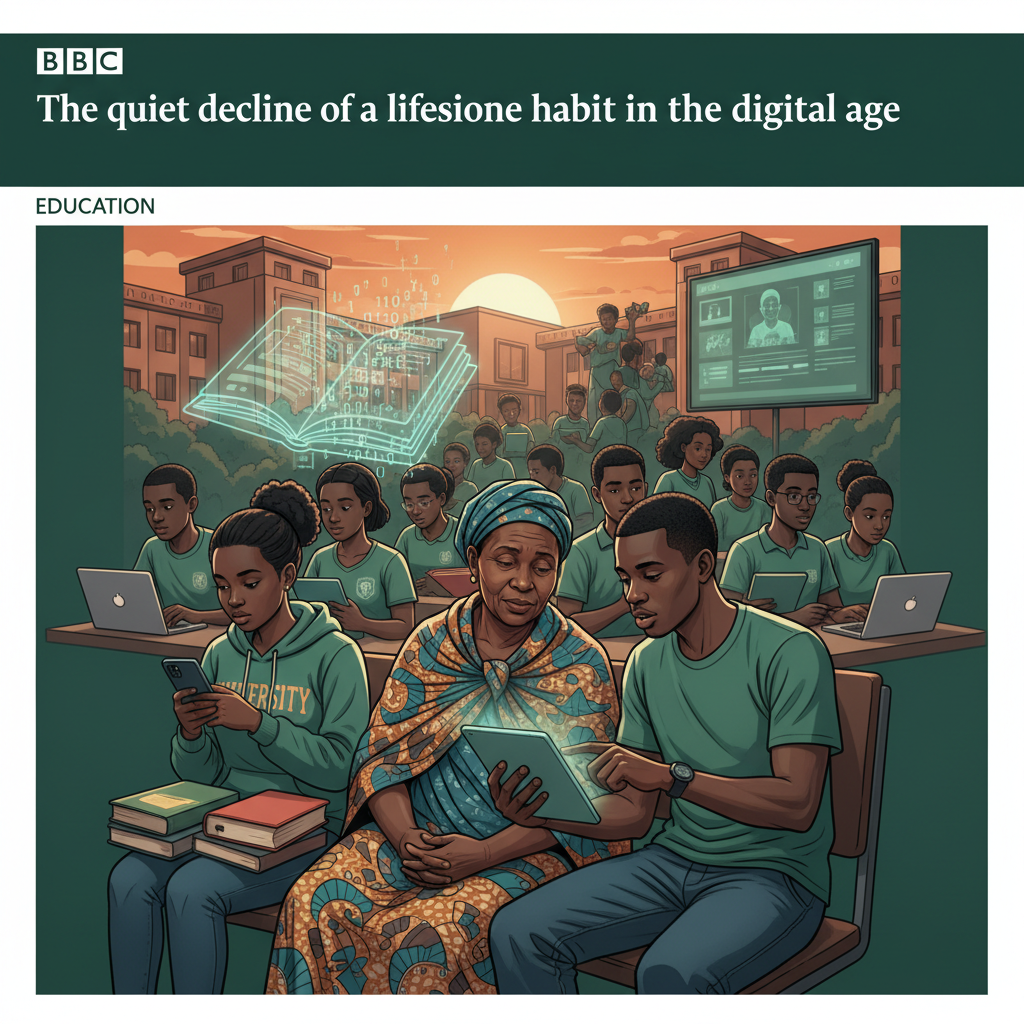
The digital age has ushered in a quiet but profound transformation in the reading habits of young Zambians, marking a departure from a time when immersing oneself in books for sheer enjoyment was a widespread pastime. Today, the landscape of leisure reading is rapidly changing, with university campuses across the nation witnessing a noticeable decrease in students engaging with traditional books. Instead, their attention is increasingly captured by the ephemeral allure of short-form content on platforms like TikTok and Instagram. This evolving trend is not merely a shift in entertainment preference but a growing concern for the academic community. Educators and lecturers observe a direct correlation between reduced deep reading and a decline in students' writing proficiency, critical thinking abilities, and overall communication skills. Chibwe Henry, a lecturer at Queen Mary University of London, highlighted this concern, noting that students who read widely tend to exhibit a superior capacity for connecting ideas, utilizing evidence effectively, and demonstrating originality in their work. She further observed that many students now merely skim assigned readings, rather than engaging with them comprehensively, which undermines the development of robust analytical skills. The implications of this decline extend beyond academic performance, touching upon broader societal development. While Zambian author Francis Shipopa suggests that reading culture is not dying but merely evolving, urging writers to create relatable content, the challenge remains in fostering deeper engagement. Students like Florence Nyangulu from the University of Zambia admit to struggling with assignments due to a habit of skimming digital content, while Elisabeth Malemeka, soon to join the University of Lusaka, laments how academic pressures have curtailed her time for pleasure reading. These anecdotal accounts underscore a systemic issue: the instant gratification offered by digital media oft