UPND cancels candlelight prayers saying candles & lamp are symbols of Tonse
POLITICSBy Ruth Chayinda — Zambian Observer
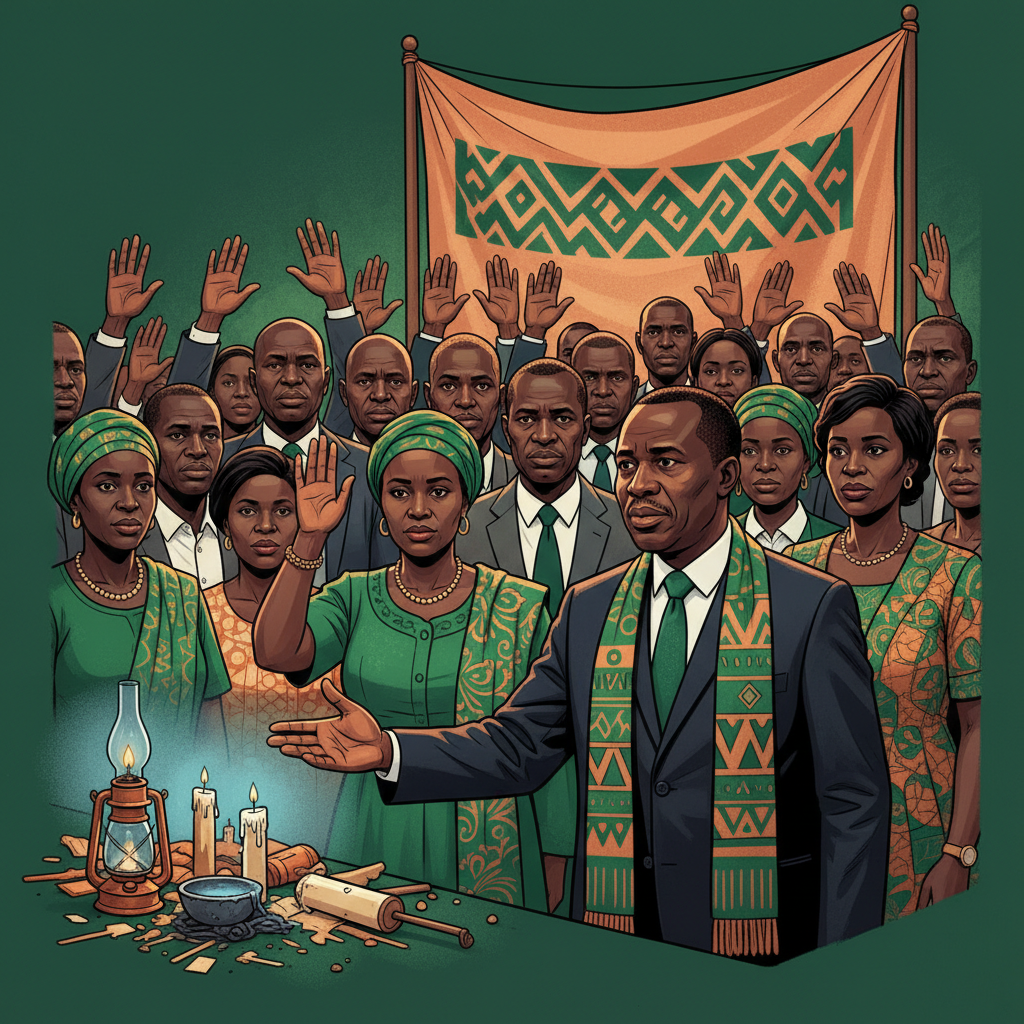
LUSAKA – The political landscape in Zambia has been stirred by a contentious issue involving religious observance and electoral symbolism, as the ruling United Party for National Development (UPND) has formally requested the cancellation of a planned candlelight prayer program. The event, initiated by Father Felix Banda of the Marian Shrine Chelstone and the Archdiocese of Lusaka, was slated for August 12, 2026, a mere day before the nation heads to the polls for its General Election. This move by the UPND underscores the heightened sensitivity surrounding the upcoming elections and the intersection of faith and politics in Zambia. UPND Secretary General Batuke Imenda, in a letter addressed to Father Banda and the Electoral Commission of Zambia (ECZ), articulated the party's apprehension. Mr. Imenda highlighted that candles and lamps are recognized official symbols for certain political parties contesting the August 13 General Election, notably the opposition Tonse Alliance. The party's concern stems from the potential for the candlelight vigil, intended as a prayer for peace, to be inadvertently perceived as a political endorsement or gathering, thereby compromising the neutrality of religious activities. The UPND's stance is that holding an event featuring these symbols so close to the election date could easily be misinterpreted by the public and attract supporters of the associated political parties, transforming a spiritual assembly into a political procession. This, they argue, could foster anxiety among church members and the general populace, who might view the event as unfairly favouring particular political entities. The party maintains its support for prayers for peace and national unity, especially during a critical electoral period, but insists on safeguarding the integrity and impartiality of the electoral process. This development comes amidst broader efforts by various church mother bodies in Zambia, including the Council of Churches in Zambia (CC