From Lithium to Nickel - How the UN Is Helping Countries Make the Most of Critical Minerals
BUSINESSBy Unknown — AllAfrica Zambia
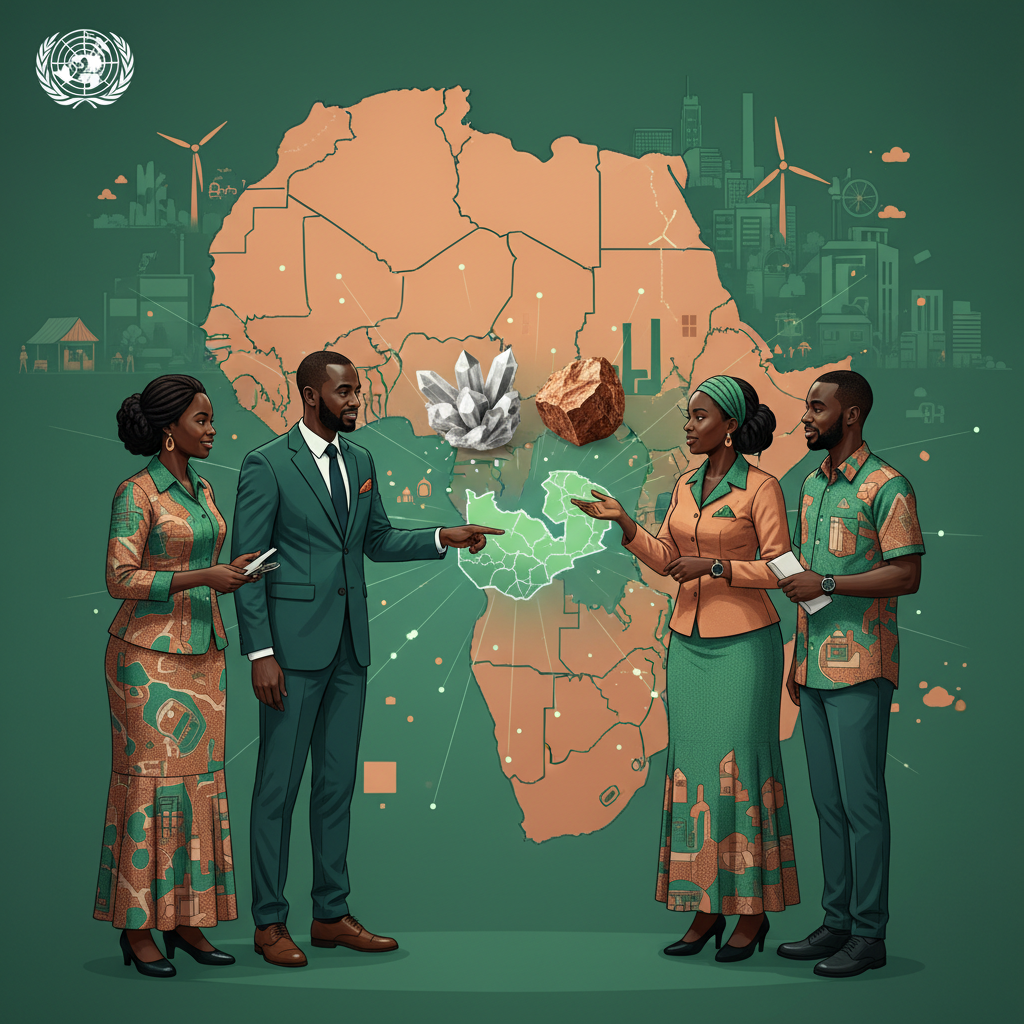
Lusaka, Zambia – As the global imperative for clean energy intensifies, Zambia finds itself at the epicentre of a burgeoning demand for critical minerals essential to this transition. From lithium to nickel, cobalt, and particularly copper, these resources are indispensable components in electric vehicles, wind turbines, solar panels, and advanced battery storage systems. The United Nations is actively engaging with Zambia to ensure that the nation maximises the benefits from its substantial mineral endowments, fostering a framework that prioritises local value addition, job creation, and sustainable development over mere raw material extraction. Zambia's rich geological landscape positions it as a vital player in the future of global energy. The country is already a significant producer of copper, a mineral projected to see its demand triple by 2040 due to the green energy transition. Beyond copper, Zambia possesses considerable reserves of cobalt, manganese, iron, and nickel, with projects like Munali demonstrating commercial quantities of nickel, copper, cobalt, and even platinum group metals. Recognising this potential, the Zambian government has launched a National Critical Minerals Strategy (2024-2028) aimed at tripling copper production to 3 million metric tonnes annually by 2031 and enhancing value addition across the sector. This strategy is aligned with the country's Eighth National Development Plan and seeks to transform Zambia into an industrialised middle-income country by 2030 through effective management of the critical minerals value chain. The UN's support in Zambia is multi-faceted, focusing on strengthening the entire value chain. Initiatives include developing a national mining skills strategy to prepare workers for jobs in mining and battery value chains, and assisting small and medium-sized enterprises (SMEs) to participate in emerging electric vehicle supply chains. Furthermore, the UN is collaborating with artisanal and small-scale miners t