What does Zambia's opposition stand without Edgar Lungu?
POLITICSBy Kathy Short — DW (English)
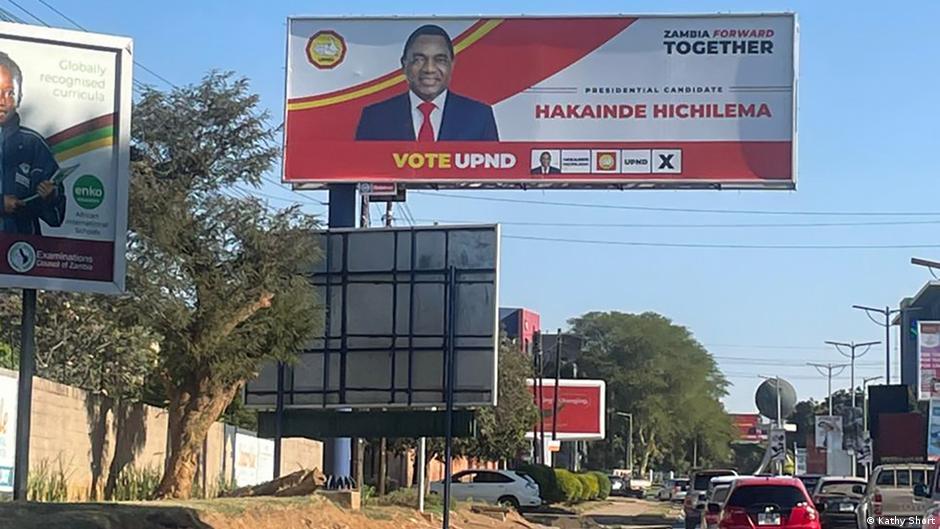
LUSAKA – The political landscape of Zambia has been irrevocably altered following the death of former President Edgar Lungu, setting the stage for a highly anticipated general election on August 13, 2026. Lungu, who passed away in June 2025 in Pretoria, South Africa, due to cardiac complications at the age of 68, had been a central figure in uniting Zambia's diverse opposition parties for years. His absence now presents a profound challenge to the opposition's ability to maintain solidarity and effectively contest the upcoming polls. For a considerable period, Lungu served as the rallying point for various opposition factions, his leadership providing a common banner under which they could challenge the ruling party. His political career, which saw him rise to the presidency in 2015 and serve until his defeat in 2021 by Hakainde Hichilema, was marked by significant influence over a segment of the electorate. The question now looming large over Zambian politics is whether the legacy and unifying force he represented can transcend his physical absence and keep the opposition supporters united. The 2026 election is poised to be a critical barometer of the opposition's resilience and capacity to adapt to this new reality. Prior to his death, Lungu had been announced as the chairman and presidential candidate for the Tonse Alliance, a significant opposition coalition formed in November 2024 with the explicit goal of unseating the UPND. However, he was declared ineligible to stand on December 10, 2024, shortly before his passing. This pre-existing challenge to his candidacy, coupled with his subsequent death, has forced the opposition to rapidly re-strategize. The Patriotic Front (PF), Lungu's former party, and other members of the Tonse Alliance have since elected Brian Mundubile as their presidential candidate, signaling an attempt to consolidate forces. Analysts are closely watching how this leadership transition will impact voter sentiment and party cohesion. The o