Mopani Copper Operations Highlight Tensions Between Zambian Mining Surge and Agriculture
BUSINESSBy Unknown — Zambian Agribusiness
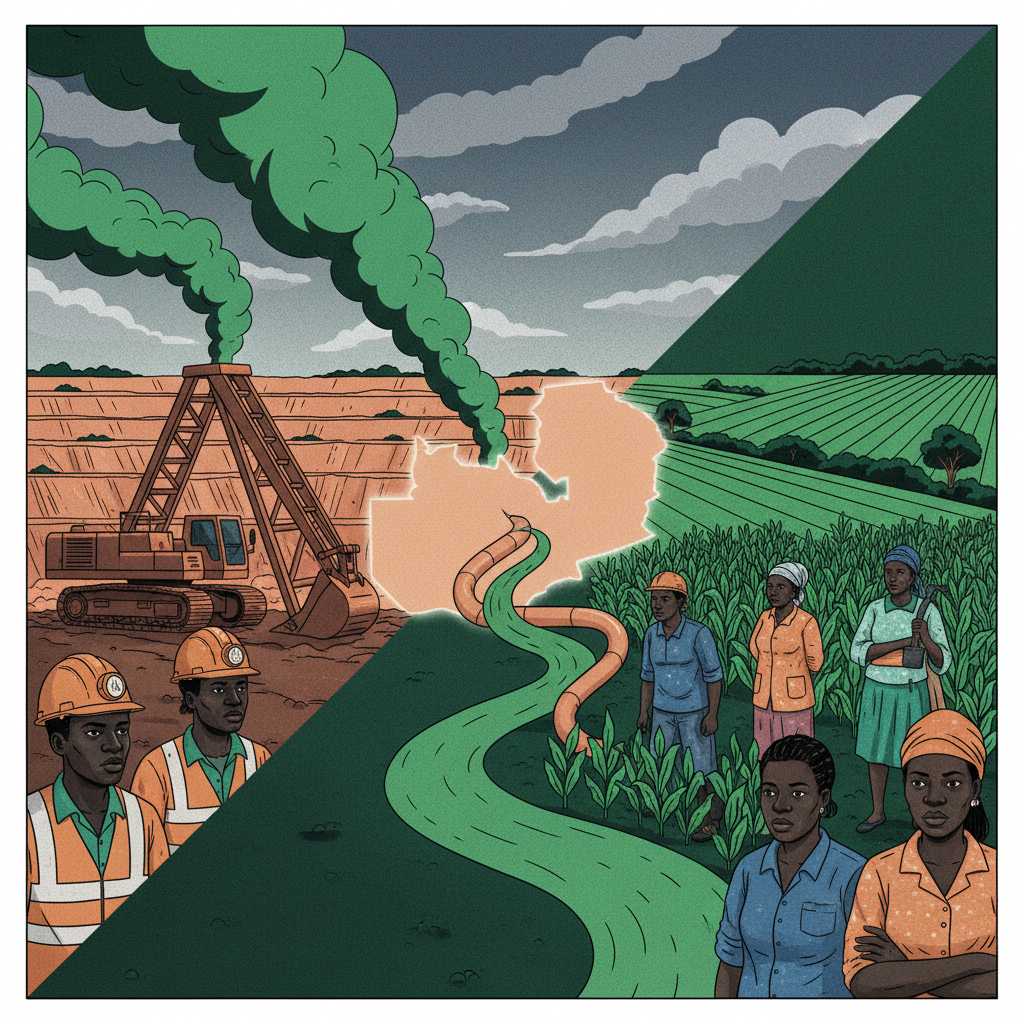
LUSAKA – Zambia's ambitious drive to significantly boost copper production, a cornerstone of its economic strategy and a critical component for the global energy transition, is increasingly confronting the nation's equally vital agricultural sector. Operations at Mopani Copper Mines PLC, one of the country's largest mining entities, have become a poignant symbol of this growing friction, raising questions about sustainable development and the long-term well-being of local communities. The push for increased copper output, aimed at capitalising on surging international demand for green technologies, is creating palpable tensions over land use, water resources, and environmental integrity, particularly in the Copperbelt region. The Zambian government has set an ambitious target to increase annual copper production to three million tonnes over the next decade, positioning the country as a key player in the global supply chain for electric vehicles and renewable energy infrastructure. Mopani Copper Mines, with its extensive operations in Kitwe and Mufulira, is central to achieving this vision, having recently seen significant investments and ownership restructuring to enhance efficiency and extend mine life. However, this rapid expansion comes with considerable environmental and social implications. Reports indicate that Mopani's activities impact over 30% of Zambia's agricultural land, with concerns ranging from dust and tailings contamination to altered water availability for irrigation, directly affecting crop yields and rural livelihoods. The conflict is not merely theoretical; it manifests in tangible challenges for farmers and communities residing near mining areas. Water, an indispensable resource for both agriculture and mining, faces increased demand from industrial processes, potentially reducing flows for irrigation and leading to downstream pollution. Historically, mining operations in Zambia have been associated with environmental degradation, including s