Targeted 10,000 megawatts of installed power generation by 2031 achievable
BUSINESSBy Lusaka Times — Lusaka Times
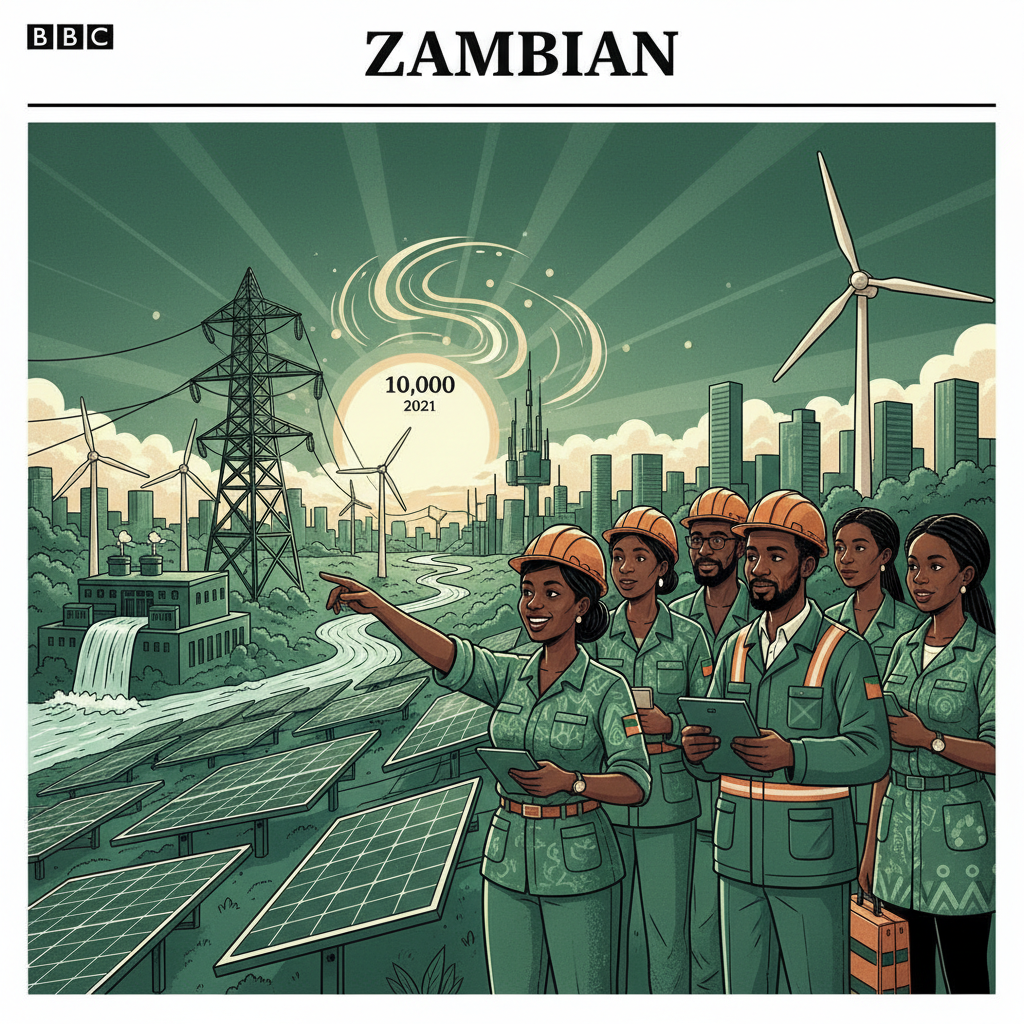
Zambia is firmly on track to achieve its ambitious goal of 10,000 megawatts (MW) of installed power generation capacity by 2031, a move poised to transform the nation from an electricity deficit country into a net exporter of power. This optimistic outlook, reiterated by government officials, stems from a series of wide-ranging reforms designed to liberalise the energy sector and attract unprecedented private sector investment. The strategic shift is not merely about increasing capacity but also about ensuring energy security, fostering economic growth, and diversifying the national energy mix away from its historical over-reliance on hydropower, which has proven vulnerable to climate-induced droughts. The journey towards this 10,000 MW target involves a multi-pronged approach, with a significant emphasis on renewable energy sources. Solar power, in particular, is emerging as a cornerstone of Zambia's future energy strategy. Initiatives like the Presidential 1,000MW Solar Initiative and the Presidential Constituency Energy Initiative, which aims to establish 156 solar plants across constituencies, underscore the government's commitment to harnessing the country's abundant solar potential. These projects, alongside the commissioning of large-scale facilities such as the 200MW Chisamba Solar Power Plant, are rapidly increasing Zambia's solar footprint and reducing its vulnerability to hydrological shocks. Beyond solar, the government's reforms have created an enabling environment for Independent Power Producers (IPPs) to participate more actively across the energy value chain. The introduction of Open Access Regulations and a streamlined Energy Single Licensing System has moved Zambia away from a single off-taker model dominated by ZESCO, allowing IPPs to generate and sell electricity directly to eligible consumers. This market liberalisation is crucial for attracting the estimated $11 billion investment required to expand generation capacity and upgrade transmissio