Masaiti DC hails School Related GBV initiative
EDUCATIONBy Lusaka Times — Lusaka Times
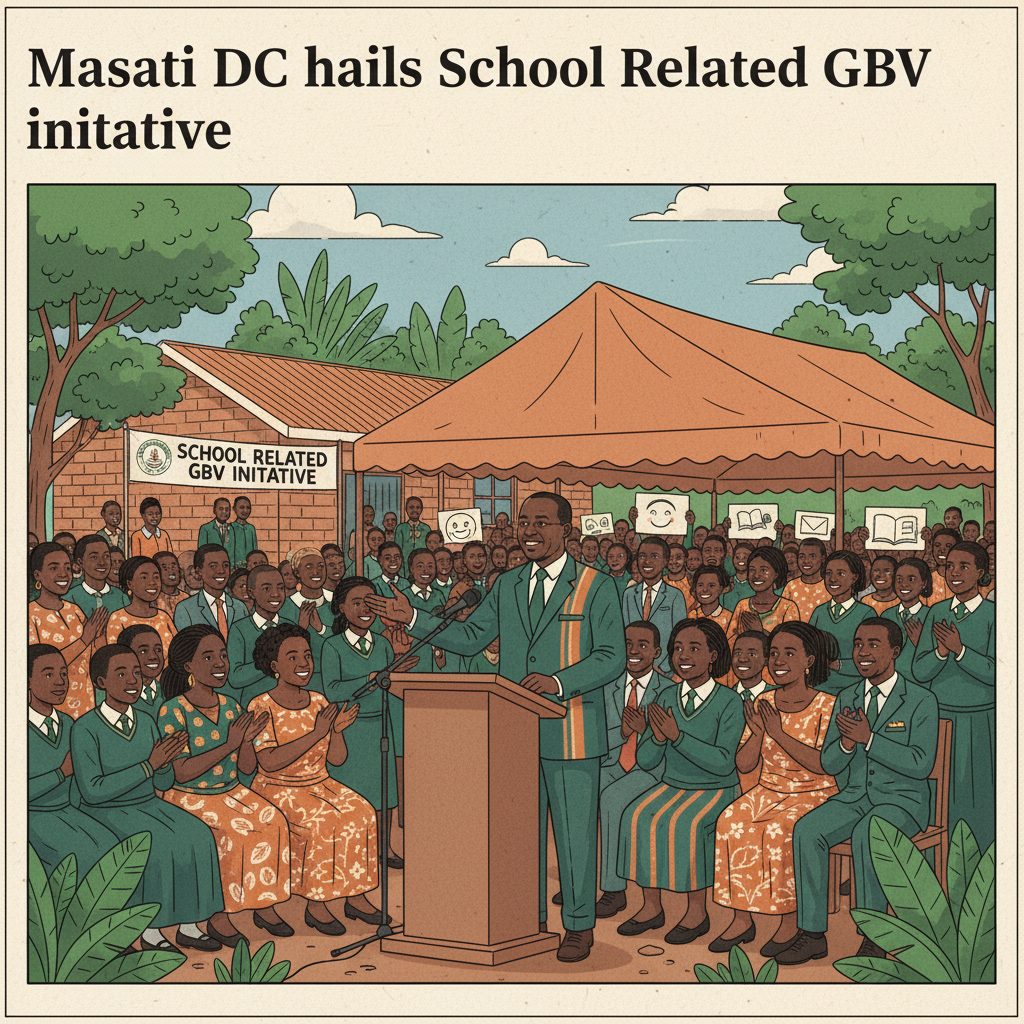
Masaiti District Commissioner, Ennie Matutu, has expressed profound satisfaction with the launch of the School-Related Gender-Based Violence (SRGBV) Intervention within her district. This vital program forms an integral part of the broader 'Keeping Girls in School and Beyond' (KGS) Initiative, a government-led effort supported by the World Bank, designed to safeguard and empower young female learners across Zambia. Matutu's endorsement highlights the critical recognition by local leadership of the pervasive challenge of gender-based violence in educational settings and the urgent need for comprehensive solutions to ensure girls' uninterrupted access to quality education. The KGS Initiative, which began in 2016, has been instrumental in providing financial assistance and support systems to vulnerable girls from socio-economically disadvantaged households, primarily those benefiting from social cash transfers. Its core objective is to reduce dropout rates and facilitate the progression of girls from primary through tertiary education by covering essential costs such as school fees, boarding fees, and examination fees. The introduction of the SRGBV Intervention within this framework signifies a strategic enhancement, directly addressing one of the most significant non-financial barriers to girls' education: violence and harassment within school environments. School-related gender-based violence remains a severe impediment to educational attainment in Zambia, affecting millions of children annually. Studies, including the 2014-2015 Violence Against Children and Youth Survey (VACS), reveal high rates of physical, sexual, and emotional violence experienced by both girls and boys in and around schools. Female students, in particular, are more susceptible to sexual violence perpetrated by teachers, while both genders face similar rates of sexual violence from classmates. This violence not only compromises students' physical and emotional well-being but also leads to poor